
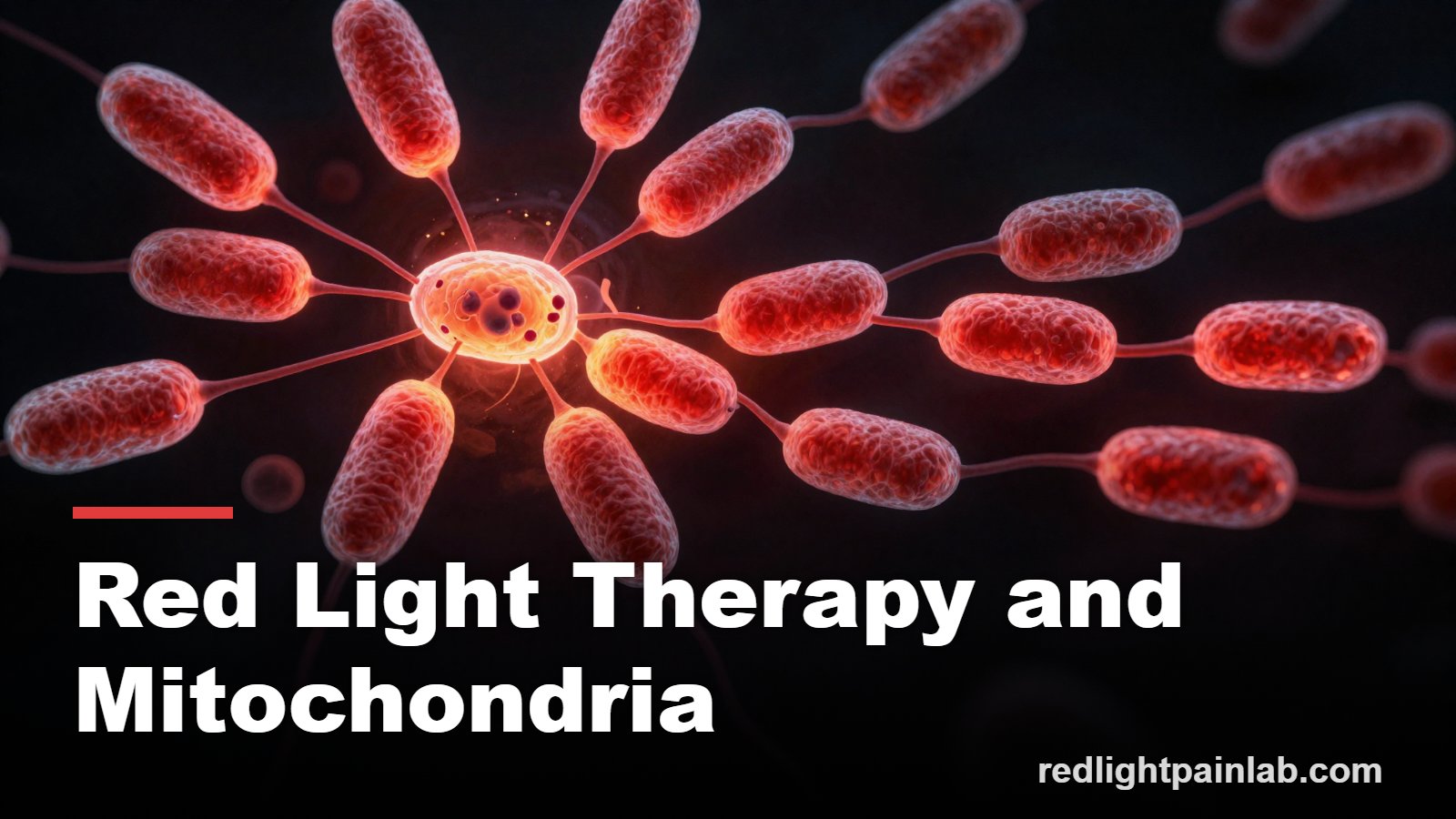
Mitochondrial optimization is not a generic result of light exposure; it is a wavelength-dependent threshold event triggered by Cytochrome c oxidase absorption. Is it possible that your persistent fatigue and slow recovery aren’t a lack of discipline, but a failure of cellular communication? We recognize the skepticism that follows years of dealing with inflammation that refuses to budge. This investigation moves past the superficial claims to examine how red light therapy mitochondria function as the primary engine for cellular repair. By targeting specific chromophores, these precise wavelengths initiate a biological cascade that directly influences your body’s energy currency.
You deserve to understand the exact mechanisms that transform light into fuel. This article details the science of ATP production and explains why specific irradiance levels, such as 100 mW/cm² at 6 inches for body panels, are essential for clinical efficacy. We’ll explore how 660nm and 850nm wavelengths interact with the electron transport chain to revitalize dormant cells. You’ll also learn the rigorous criteria for choosing an FDA 510(k) cleared device that meets IEC 62471 safety standards. This ensures you can move forward with a therapy that is both biologically active and rigorously validated.
Key Takeaways
- Understand how red light therapy mitochondria function is optimized through the activation of Cytochrome c oxidase, the terminal enzyme in the cellular respiratory chain.
- Discover the molecular process that converts red and near-infrared photons into Adenosine Triphosphate (ATP), the primary energy currency for cellular repair.
- Learn how the hormetic effect uses controlled oxidative stress to trigger systemic antioxidant production and long-term anti-inflammatory responses.
- Identify the specific advantages of 1064nm wavelengths for reaching bone and deep muscle mitochondria compared to standard red light.
- Evaluate technical hardware specifications, such as irradiance density and flicker-free drivers, to ensure your device delivers a therapeutic dose.
The Bioenergetic Engine: Why Mitochondria Respond to Red Light
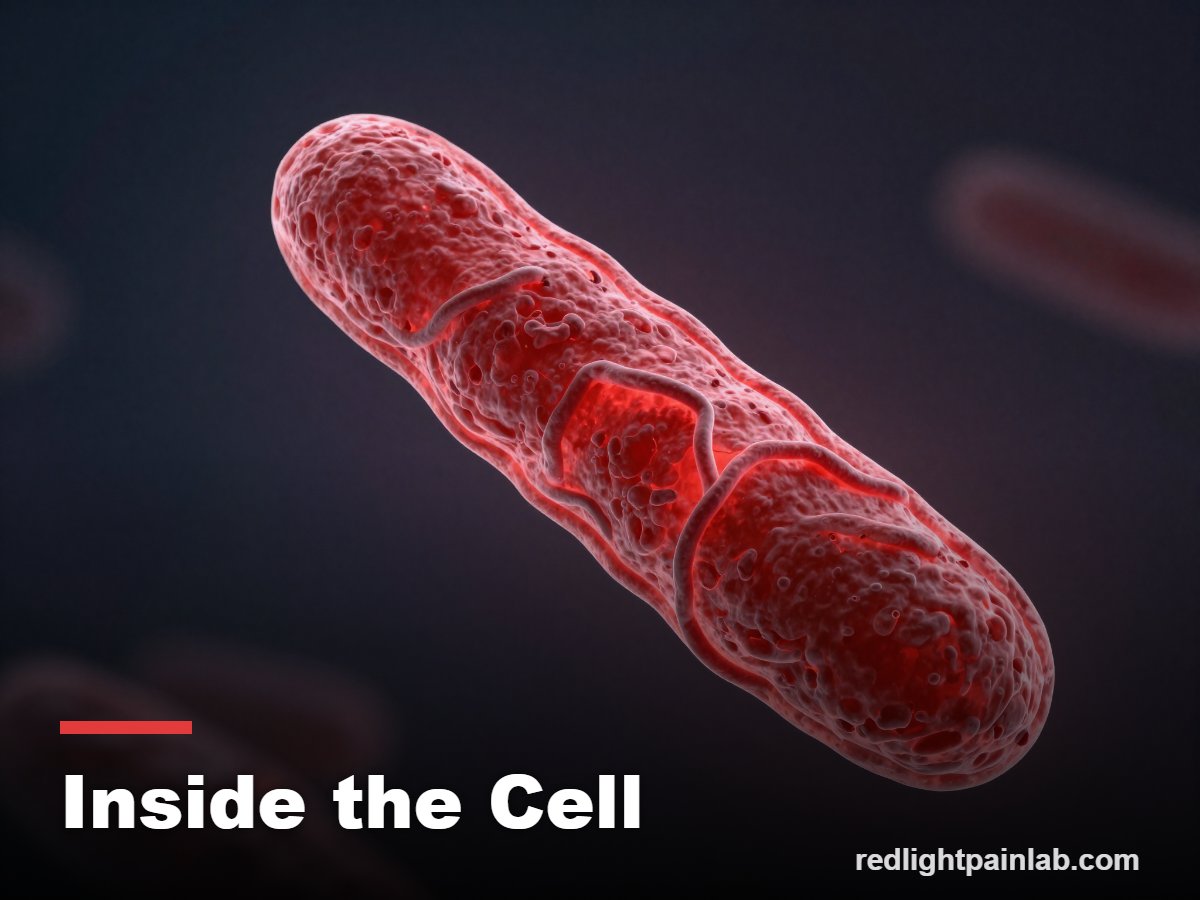
Why does the human body respond so specifically to certain wavelengths of light? This is not a coincidence of nature, but a precise biological design. Research identifies the mitochondria as the primary photo-acceptor site in mammalian cells. These organelles are the site of cellular respiration, where they produce Adenosine Triphosphate (ATP), the universal energy currency required for muscle contraction, nerve signaling, and tissue repair. When red light therapy mitochondria function is optimized, the cell’s ability to produce this energy increases significantly. Conversely, when mitochondrial output drops, the body enters a state of crisis. This dysfunction often manifests as chronic fatigue, persistent inflammation, and a slowed recovery from physical injury.
The key to this interaction lies in what physicists call the “biological window.” This is a spectrum of light ranging from 600nm to 1100nm. At these wavelengths, light can bypass the primary absorbers in the skin, such as water and hemoglobin, to penetrate deep into the underlying tissue. It’s here that the light meets its target. Without this depth of penetration, the therapeutic effect remains superficial. For those seeking systemic relief, red light therapy mitochondria function is the bridge between external light and internal cellular vitality.
The Powerhouse Concept: Beyond the Biology Textbook
Every movement we make and every thought we process requires a constant flow of energy. Mitochondria facilitate this by converting glucose and oxygen into ATP through a complex series of chemical reactions. Tissues with high metabolic demands, such as the brain, heart, and skeletal muscles, are densely packed with these organelles. These “energy-hungry” cells are the most sensitive to light-based interventions. As we age or encounter environmental toxins, the efficiency of these mitochondrial engines begins to sputter. This decline isn’t just a part of getting older; it’s a mechanical failure at the cellular level that leads to systemic energy deficits.
Photobiomodulation (PBM) vs. Thermal Therapy
Is the warmth of a light panel what causes the healing? The answer is no. While heat therapy has its own merits, it works through different pathways. Photobiomodulation (PBM) is a photochemical process, not a thermal one. It uses non-ionizing radiation to stimulate a biological response without causing DNA damage or burning the tissue. The process hinges on the absorption of light by the respiratory enzyme cytochrome c oxidase. This enzyme is the critical bottleneck in the energy production chain.
Understanding the Arndt-Schulz Law is vital for anyone seeking results from this therapy. This principle dictates that biological responses to stimuli follow a U-shaped curve. A low dose of light may be insufficient to trigger a response, while an excessive dose can lead to inhibitory effects. Finding the therapeutic window is a matter of calculating precise irradiance and exposure time. This is why professional-grade panels focus on energy density rather than just visual brightness.
The Cytochrome C Oxidase Mechanism: Photobiomodulation at the Molecular Level
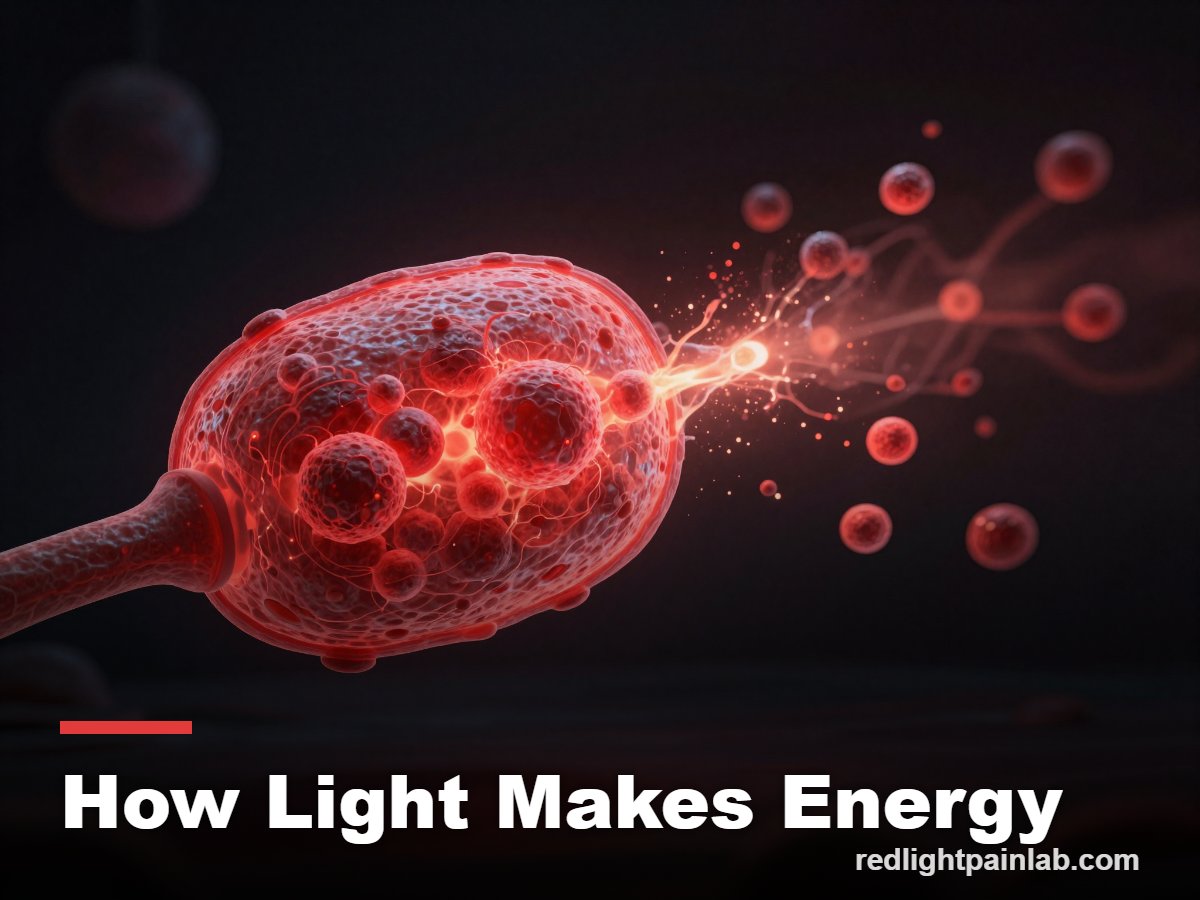
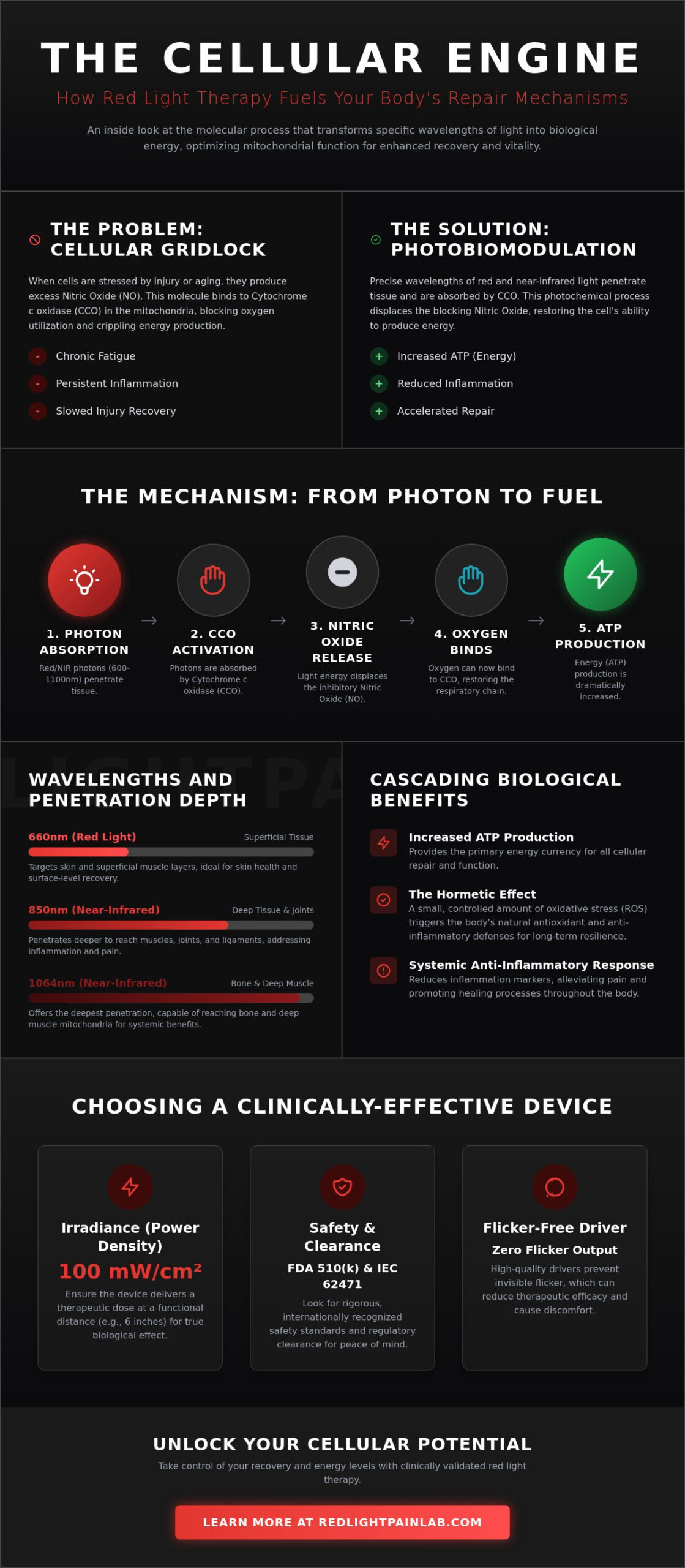
How does a simple photon of light actually alter the behavior of a human cell? It is not a vague or mystical process; it is a measurable biochemical reaction. At the heart of this interaction is Cytochrome c oxidase (CCO), the terminal enzyme in the mitochondrial respiratory chain. This enzyme contains specific light-absorbing components known as chromophores, specifically hemes and copper centers. When we examine red light therapy mitochondria function, we find that these chromophores are uniquely tuned to absorb wavelengths in the red and near-infrared spectrum. This absorption is the primary trigger for the entire therapeutic cascade.
Once these photons are absorbed, they initiate a vital shift in cellular respiration. In a healthy state, mitochondria use oxygen to produce energy. However, when cells are under stress from injury or aging, they produce excess Nitric Oxide (NO). This molecule binds to the CCO enzyme, effectively “clogging” the engine and preventing oxygen from being utilized. Light therapy provides the mechanical force needed to break this bond. By displacing the inhibitory Nitric Oxide, light allows oxygen to return to the enzyme site, immediately accelerating the electron transport chain and increasing the production of cellular fuel.
The Nitric Oxide Displacement Theory
This “competitive inhibition” model explains why light is so effective during periods of high physiological stress. When Nitric Oxide occupies the CCO site, cellular respiration grinds to a halt. The absorption of specific light wavelengths provides the exact energy required to dissociate NO from the enzyme. This release has a secondary benefit. As the Nitric Oxide is kicked back into the bloodstream, it acts as a potent vasodilator. This is why many users report a gentle warming sensation or improved circulation during a session; it is the physical evidence of your cells “breathing” again.
Redox Signaling and Cellular Homeostasis
The impact of light goes far beyond the immediate production of ATP. The displacement of NO and the sudden rush of oxygen alter the mitochondrial membrane potential, initiating a process known as mitochondrial redox signaling. This signal acts as a messenger, activating transcription factors that lead to long-term cellular repair and gene expression. These molecular changes are exactly why Red Light Therapy for Chronic Pain has become a staple in clinical recovery protocols. It doesn’t just mask the discomfort; it addresses the underlying metabolic failure. If you want to see how these biological principles translate into real-world results, you can explore our detailed reviews of devices designed for deep cellular penetration.
Beyond ATP: Reactive Oxygen Species (ROS) and Signaling
Is all oxidative stress inherently damaging to the body? While the term often carries a negative connotation in wellness circles, the reality of cellular biology is more nuanced. When photons interact with the mitochondria, they don’t just produce energy; they also generate a transient pulse of Reactive Oxygen Species (ROS). In high concentrations, ROS causes cellular aging and DNA damage. However, in the controlled environment of photobiomodulation, these molecules act as critical signaling messengers. This phenomenon is known as the hormetic effect. In this context, red light therapy mitochondria function is not just about producing energy, but about “priming” the cell’s defensive systems to handle future stress more effectively.
This process shifts the cell from a state of passive survival to active fortification. By introducing a manageable amount of metabolic stress, the therapy forces the cell to adapt. This adaptation results in a long-term reduction of chronic oxidative stress, which is a primary driver of persistent inflammation and slow muscle recovery. Instead of simply providing an external antioxidant, we are teaching the cells to manufacture their own. This internal optimization is far more potent than any supplement because it occurs at the exact site of energy production.
Is ROS Production Dangerous?
Distinguishing between toxic oxidative stress and beneficial signaling ROS is essential for understanding therapy safety. Chronic oxidative stress is an uncontrolled fire that degrades cellular structures. In contrast, the ROS produced during light therapy is a controlled spark that ignites the body’s internal repair mechanisms. The cell responds to this spark by upregulating the production of endogenous antioxidants, specifically Superoxide Dismutase (SOD) and Glutathione. Hormesis is the biological benefit derived from low-dose stress that triggers an over-compensatory protective response. By stimulating these pathways, we create a cellular environment that is significantly more resilient to the “wear and tear” of environmental toxins and physical exertion.
The Systemic Effect: Secondary Benefits of Localized Light
Why does treating one area of the body often lead to improvements in distant, untreated tissues? This is frequently referred to as the “Abscopal Effect.” When you target a specific muscle group, the optimized cells release signaling molecules, such as myokines and specialized cytokines, into the bloodstream. These messengers travel throughout the body, carrying the “repair signal” to other organs. This systemic reach explains why localized red light therapy mitochondria function improvements can lead to better sleep quality and more stable circadian rhythms. Recent research suggests that mitochondrial health is deeply linked to the production of extra-pineal melatonin, which regulates our internal clock. By supporting the mitochondria in your skin or muscles, you are indirectly supporting the metabolic health of your entire system.
Optimizing for Depth: Wavelengths and Irradiance for Mitochondrial Capture
Does the light emitted by your device actually reach the mitochondria in your deep muscle tissue? The biological efficacy of red light therapy mitochondria function depends entirely on two physical variables: wavelength and irradiance. If the wavelength is too short, the energy is absorbed by surface-level melanin before it can reach the target. If the irradiance is too low, the photons lack the necessary “pressure” to overcome the optical barrier of human tissue. For systemic recovery in the bones and deep connective tissues, a body panel must deliver a minimum irradiance of 100 mW/cm² at a distance of 6 inches. Without this specific energy density, the photons never reach the mitochondrial thresholds required to trigger a measurable ATP boost.
Many consumer-grade devices fail because they prioritize visual brightness over irradiance. It’s a common mistake to assume that a bright light is a powerful one. In reality, the “therapeutic dose” is a calculation of power over time. According to 2026 clinical standards, the formula for a successful session is Dose (J/cm²) = [Irradiance (mW/cm²) × Time (seconds)] / 1000. If your device produces low irradiance, you would need to stand in front of it for hours to reach the 80-150 J/cm² required for deep tissue repair. To ensure you’re investing in a device with verified energy density, you can view our clinical reviews of high-irradiance panels.
The 660nm vs. 850nm Spectrum Split
Why do most professional panels utilize a combination of red and near-infrared light? These two wavelengths serve distinct anatomical targets:
- 660nm (Deep Red): This wavelength is primarily absorbed by the skin’s dermal layers. It’s the gold standard for collagen production and superficial wound healing because it targets the mitochondria in fibroblasts.
- 850nm (Near-Infrared): This wavelength occupies the “optical window” where tissue is most transparent. It penetrates several centimeters deep, reaching the mitochondria in joints, nerves, and skeletal muscle.
Using these wavelengths synergistically ensures that you’re optimizing red light therapy mitochondria function across all tissue depths simultaneously.
The 1064nm Frontier: Deep Mitochondrial Stimulation
The latest research from early 2026 highlights 1064nm as a critical wavelength for deep-seated mitochondrial repair. While 850nm is effective, the 1064nm range experiences even lower absorption by water and hemoglobin, allowing it to reach the brain and bone marrow with unprecedented efficiency. High-end “Pro” series panels are now incorporating these longer wavelengths specifically for chronic pain management and neuro-regeneration. This wavelength represents the peak of tissue penetration, ensuring that even the most deep-seated mitochondrial clusters receive the photon stimulus needed for regeneration.
Clinical Hardware at Home: Selecting Panels for Cellular Recovery
How do you bridge the gap between complex molecular biology and the device sitting in your living room? Selecting hardware that effectively supports red light therapy mitochondria function requires a shift in focus from marketing aesthetics to lab-verified specifications. While a panel might look impressive, its biological efficacy is determined by its ability to deliver a specific photon density to the target tissue. Clinical-grade recovery is only possible when the device provides enough irradiance to overcome the body’s natural optical barriers without introducing secondary stressors like high electromagnetic fields (EMF) or light flicker.
Flicker is a particularly overlooked technical limitation. Most consumer electronics use pulse-width modulation that creates a rapid “strobe” effect, often invisible to the eye but detectable by cellular structures. Because mitochondria operate on precise electrochemical rhythms, constant flickering can interfere with the signaling cascades we explored earlier. To maintain mitochondrial rhythm, professional-grade drivers must be flicker-free, ensuring a steady stream of photons for uninterrupted Cytochrome c oxidase absorption. Additionally, evaluating EMF levels is vital. High EMF exposure can trigger the very oxidative stress you’re trying to mitigate, neutralizing the hormetic benefits of the light itself.
Lab-Tested Specs to Look For
Total wattage is a misleading metric often used to inflate the perceived power of a device. It measures how much electricity the panel pulls from the wall, not how much therapeutic light reaches your cells. You should prioritize irradiance, specifically looking for panels that offer at least 100 mW/cm² at a distance of 6 inches. This ensures the energy is “pressurized” enough to reach deep-seated mitochondria. For a detailed breakdown of which devices meet these rigorous standards, you can consult our guide on the Best Red Light Therapy Panels 2026.
Protocol Design for Mitochondrial Health
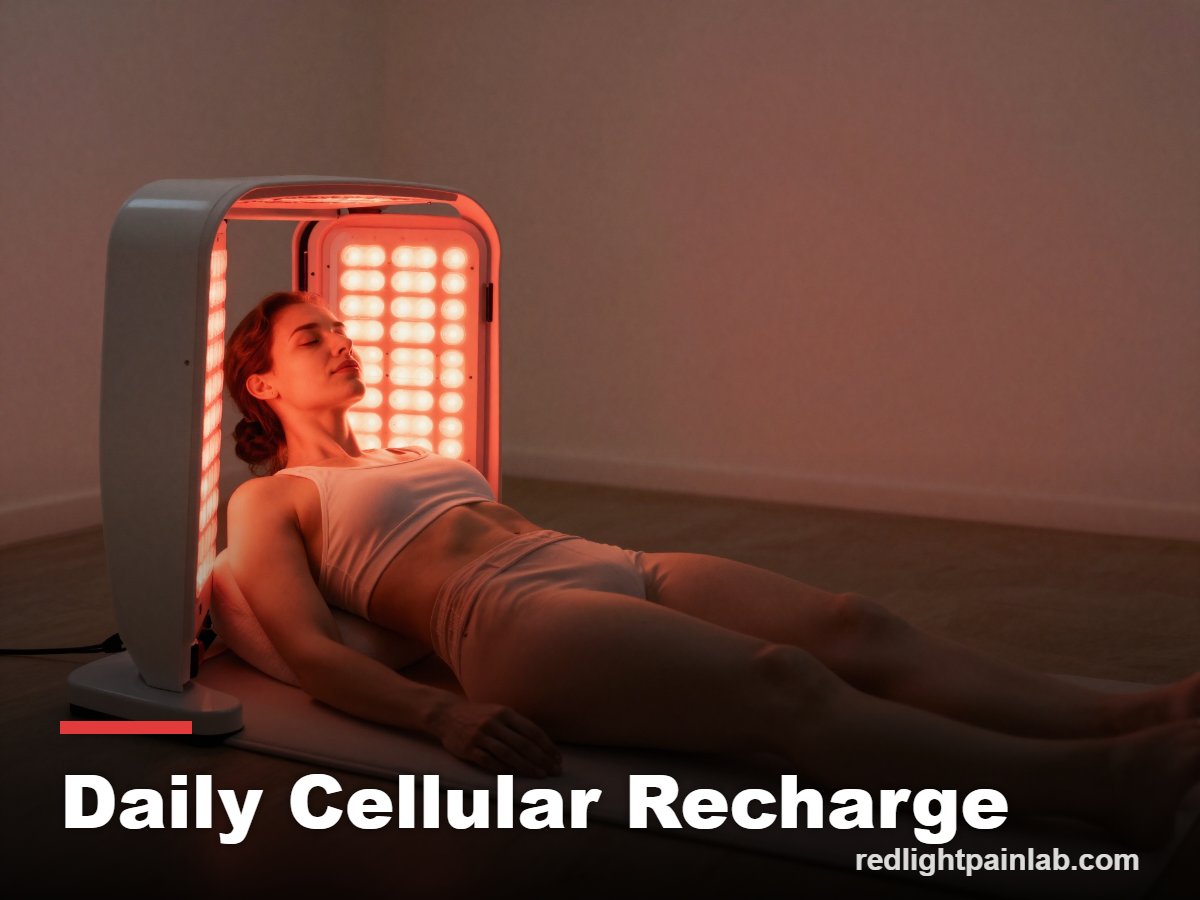
Protocol design is the final piece of the cellular recovery puzzle. You must respect the “less is more” rule, also known as the biphasic dose response. If you exceed the optimal energy threshold, you risk entering an inhibitory phase where the therapeutic benefits are neutralized. For most deep-tissue targets, a session of 10 to 20 minutes is sufficient. Consistency is far more valuable than intensity. A daily, moderate-dose exposure creates a steady cumulative effect on red light therapy mitochondria function, outperforming sporadic, high-dose sessions that can overwhelm the cell’s adaptive capacity.
Reclaiming Your Cellular Vitality Through Science
How will you choose to address your body’s chronic energy deficit? We’ve established that the interaction between photons and Cytochrome c oxidase provides a mechanical solution to biochemical fatigue. By displacing inhibitory Nitric Oxide and restoring oxygen flow, you’re not just treating symptoms; you’re optimizing red light therapy mitochondria function at its most fundamental level. This metabolic shift requires more than just any light source. It demands a device that meets clinical-grade irradiance standards and operates without the biological interference of flicker or excessive EMF. These technical details are the difference between a wasted investment and a transformative health intervention.
Our research serves as a protective filter, ensuring you don’t have to navigate this complex marketplace alone. We prioritize independent lab testing and flicker verification to ensure your cells receive a pure, therapeutic signal. Before you commit to a device, it’s essential to verify its performance against the rigorous benchmarks we’ve discussed. View our Lab-Tested Rankings of the Best Red Light Therapy Panels for 2026 to see which models passed our evaluations for power and safety. You now possess the data to distinguish between superficial marketing hype and true physiological impact. It’s time to provide your cells with the precise energy they need to begin the recovery process.
Frequently Asked Questions
Does red light therapy really increase ATP production?
Yes, clinical research confirms that red light therapy increases ATP production by stimulating the Cytochrome c oxidase enzyme. This enzyme is the terminal stage of the electron transport chain within the mitochondria. When photons displace inhibitory Nitric Oxide, the mitochondria can process oxygen more efficiently. This results in a measurable boost in the cell’s energy currency, providing the fuel necessary for tissue repair and metabolic homeostasis.
Can I use red light therapy every day for mitochondrial health?
Daily use is generally considered safe and effective for maintaining mitochondrial health. Consistency is more important than high-intensity sporadic sessions because it keeps the cellular repair signaling active. Most clinical protocols suggest 10 to 20 minutes per day. However, you must monitor your body’s response to ensure you aren’t exceeding the biphasic dose threshold, which could lead to temporary fatigue or diminished results.
How long does it take for mitochondria to respond to red light?
Mitochondrial response begins at the molecular level within seconds of photon absorption. While the chemical displacement of Nitric Oxide is nearly instantaneous, the physiological results, such as reduced inflammation or improved muscle recovery, usually manifest over several weeks of consistent use. You’re initiating a biological cascade that requires time for the cells to replicate and repair damaged structures throughout the body.
What is the best wavelength for mitochondrial stimulation?
The biological window for optimizing red light therapy mitochondria function spans from 600nm to 1100nm. Wavelengths like 660nm are excellent for superficial tissue and skin health, while 850nm and 1064nm offer the deep penetration required to reach mitochondria in the bones, brain, and joints. High-end panels often utilize a combination of these wavelengths to ensure both dermal and systemic cellular stimulation.
Is there a risk of “overdosing” on red light therapy?
There is a documented risk of over-exposure, known as the biphasic dose response or the Arndt-Schulz Law. If the energy density delivered to the tissue exceeds the cell’s adaptive capacity, the therapeutic benefits can be neutralized or even inhibited. This isn’t a permanent toxicity, but rather a state where the cell becomes temporarily overwhelmed by oxidative signaling. Adhering to lab-verified distances and timing prevents this inhibitory phase.
Does red light therapy help with mitochondrial diseases?
Emerging research suggests that photobiomodulation can support cellular function in those dealing with certain mitochondrial dysfunctions. However, it shouldn’t be viewed as a primary medical treatment for diagnosed mitochondrial diseases. Because these conditions involve genetic or structural defects, the therapy acts as a supportive tool to optimize the respiratory capacity that remains. Always consult a specialist before integrating new therapies into a clinical medical regimen.
How do I know if my red light panel is strong enough to reach my mitochondria?
You must verify the device’s irradiance levels, which should ideally reach a minimum of 100 mW/cm² at a 6-inch distance for body panels. Without this specific energy density, the photons cannot penetrate deep enough to interact with red light therapy mitochondria function in the internal tissues. Avoid devices that only list “total wattage,” as this is an electrical measurement that doesn’t reflect actual light output or penetration depth.