
The 10 Best Wearable Red Light Devices for Pain
Belts, wraps, pods, and mats you strap on and forget — hands-free relief that moves with you. We compared dozens on wavelength, irradiance, coverage, battery, and price. No brand paid for placement.
Why People Switch to a Wearable
A panel sits on a stand and you sit still in front of it. A wearable straps directly to the painful joint, holds the light against your skin, and lets you keep moving. For targeted pain — a knee, a lower back, a shoulder — contact beats distance.
Belts & Wraps
Flexible LED panels on an adjustable strap. Wrap the lower back, waist, knee, or shoulder for hands-free contact. Best all-round value for everyday pain.
Targeted Pods & Laser
Small modules that clip around a single joint. Some add near-infrared lasers for deeper penetration than LEDs alone — ideal for knees, elbows, and ankles.
Full-Body Mats
Large flexible mats you lie on or drape over yourself. Cover the whole back or body at once for recovery, circulation, and skin — at a higher price.
All 10 Devices Compared
Every device uses 660nm red and near-infrared light. Where they differ: form factor, how much light reaches the skin (irradiance), coverage area, and whether they run on battery.
| # | Device | Type | Wavelengths | Best For | Price |
|---|---|---|---|---|---|
| 1 | Kineon MOVE+ Pro | Laser + LED pods | 660nm + 808nm laser | Knees & joints | ~$499 |
| 2 | NovaaLab Deep Healing Pad | Flexible pad | 660nm + 850nm | Back & large areas | ~$350 |
| 3 | FlexBeam | 3-pod wearable | 630nm + 810–845nm | Targeted joints | ~$599 |
| 4 | Hooga Red Light Belt | Belt | 660nm + 850nm | Budget back pain | ~$299 |
| 5 | MitoQUAD Wavelength Belt | Belt | 4 wavelengths | High LED density | Check |
| 6 | HigherDOSE Full Body Mat | Full-body mat | 660nm + 850nm | Whole-body recovery | ~$1,000+ |
| 7 | Bestqool Redot Series | Belt / wrap / mat | 660nm + 850nm | Modular value | Varies |
| 8 | Nushape Light Therapy Belt | Wrap belt | 660nm + 850nm | Portable back wrap | Check |
| 9 | Lifepro Red Light Belt | Belt + vibration | 660nm + 850nm | Budget + comfort | Check |
| 10 | Infraredi Body Wrap | Wrap | 660nm + 850nm | Cordless portability | Check |
Prices are approximate and change often. Confirm current pricing and specs on each brand’s official site before buying.
Top 10 Wearable Red Light Devices for Pain
Ranked on light output, build quality, coverage, battery, warranty, and value — weighted toward what actually matters for pain: getting therapeutic light into the tissue that hurts.

Kineon MOVE+ Pro
Laser + LED hybrid pods · deepest targeted penetration
Why it tops the list
Most wearables are LED-only. The MOVE+ Pro pairs 660nm red LEDs with genuine 808nm near-infrared lasers in three pods that strap around a joint. Laser light is coherent and penetrates deeper than LED, which is why this is the wearable of choice for knees, elbows, and ankles where the pain sits inside the joint.
- Laser + LED reaches deeper than LED-only wraps
- Wraps any joint with adjustable straps
- Genuinely portable, zips into a travel case
- Premium price for the coverage area
- Strap sizing is awkward on the lower back

NovaaLab Deep Healing Pad
High-irradiance flexible pad · big coverage, fair price
Why it ranks here
A flexible pad that drapes over the back or wraps a large joint, with one of the higher contact-irradiance figures on this list. The 450 light chips split across 660nm and 850nm, and the surface output is strong enough for short sessions. A 60-day trial and 3-year warranty make it low-risk.
- Strong contact irradiance for a flexible pad
- Large, conforming coverage area
- 60-day trial, 3-year warranty
- Mostly mains-powered (battery via add-on)
- Not a true full-body size

FlexBeam
Three-pod body wrap · high power, hard-to-reach spots
Why it ranks here
Three flexible pods bend around shoulders, knees, and the lower back — spots flat panels can’t reach. It pushes up to ~110 mW/cm² with built-in cooling fans so it can run its LEDs harder, and it’s fully cordless. A favorite among athletes for targeted recovery.
- Wraps awkward areas other devices miss
- High output with active cooling
- Cordless with a travel case
- Among the pricier wearables
- Light spreads unevenly across the 3 pods
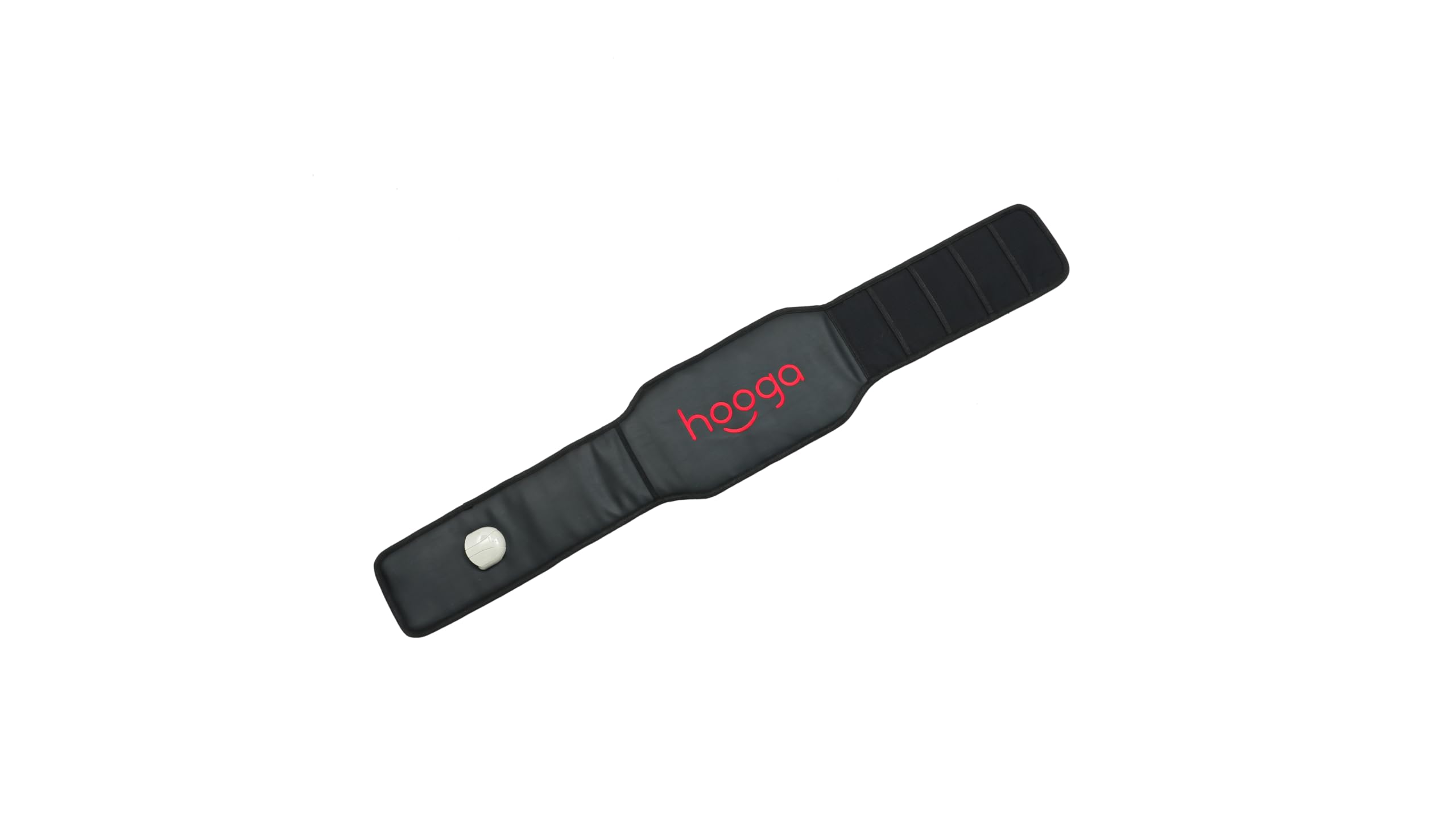
Hooga Red Light Therapy Belt
Battery belt with pulse mode · the value benchmark
Why it ranks here
A rechargeable belt that gives you battery power, pulse mode, and a 3-year warranty at a price most premium belts beat by hundreds. 405 triple-chip diodes (1,215 LEDs total) in a 1:2 red-to-NIR ratio wrap the lower back, waist, or a large joint.
- Battery + pulse mode at a low price
- Big LED count and even coverage
- 3-year warranty and 60-day trial
- Lower irradiance than the pods above
- Belt shape suits the torso more than small joints
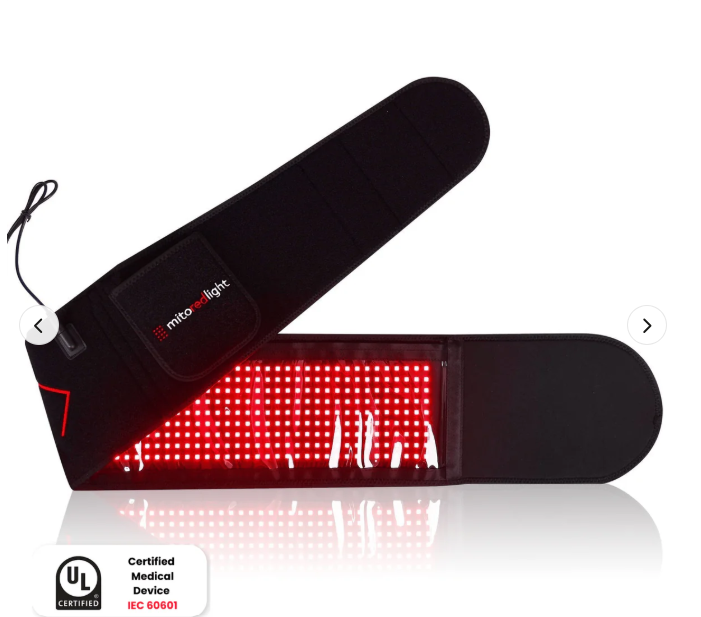
MitoQUAD Wavelength Belt
Four wavelengths per LED · dense, even coverage
Why it ranks here
Where most belts run two wavelengths, the MitoQUAD packs four distinct wavelengths into each LED, with an ultra-dense chip layout that creates very even coverage when wrapped tightly against the back or core. The trade-off is that it’s a targeted belt, not a full-body device.
- Four wavelengths for broader tissue targeting
- Dense LED layout, very even output
- Comfortable wrap-and-move design
- Not suitable for full-body treatment
- Premium pricing vs basic belts

HigherDOSE Full Body Red Light Mat
Lie-on full-body mat · recovery, circulation, skin
Why it ranks here
When the pain is widespread rather than in one joint, a mat earns its place. You lie on it or drape it over yourself for whole-back or full-body exposure. 1,000 LEDs at ~90 mW/cm², with the near-infrared pulsing at 40Hz, and a medical-grade silicone surface that’s easy to clean.
- Treats the whole back or body at once
- Versatile: lie on it, drape it, or hang it
- Easy-clean medical-grade silicone
- The most expensive option here
- Not portable; not for on-the-go use

Bestqool Redot Series
Belt, wrap, or mat · pick your coverage
Why it ranks here
One family, three sizes: the Redot S belt (105 LEDs, under a pound), the Redot M wrap (220 LEDs), and the Redot L mat (400 LEDs). All triple-chip 660nm + 850nm with built-in timers and verified-low EMF, so you can match the device to the body area you actually need to treat.
- Choose the exact coverage you need
- Lightweight and travel-friendly
- Verified-low EMF, built-in timers
- Smaller sizes have modest LED counts
- Belt is corded in some configs
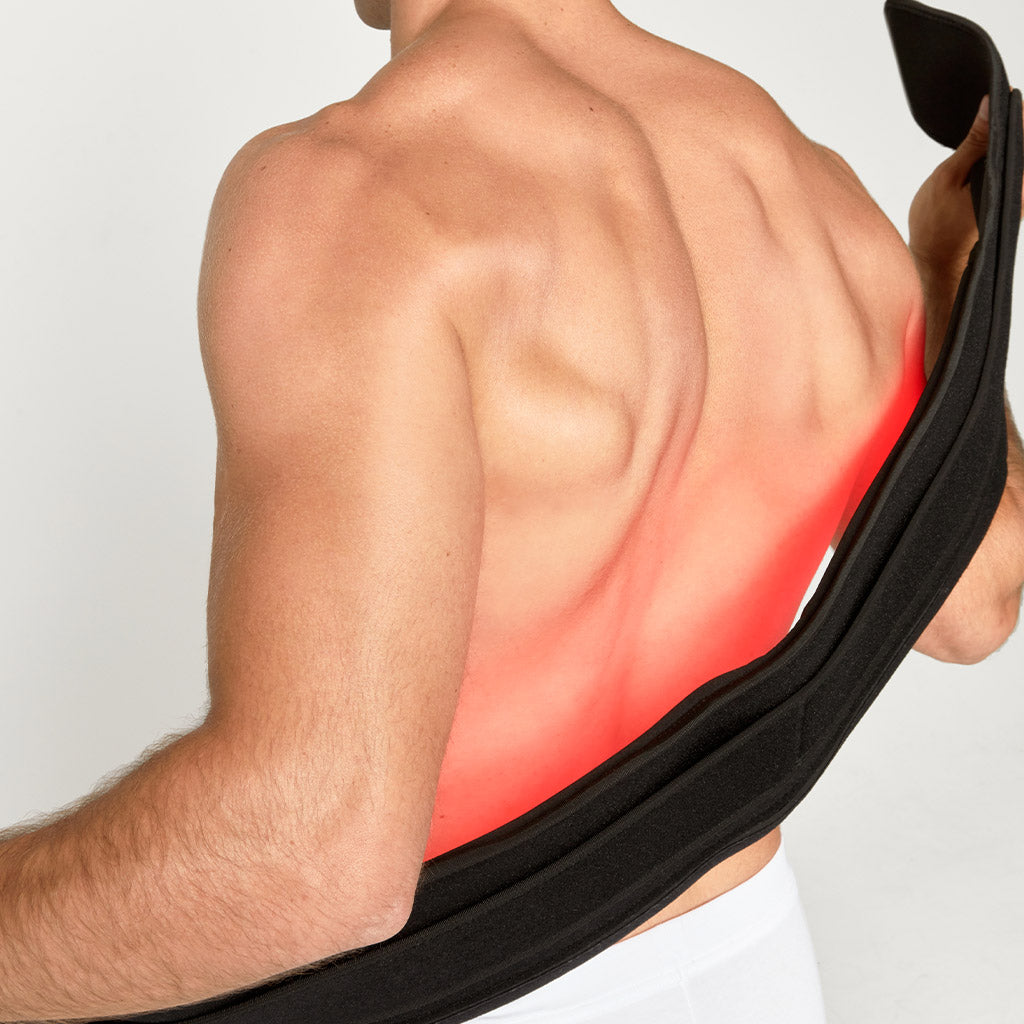
Nushape Light Therapy Belt
Slim flexible wrap · molds to the lower back
Why it ranks here
A thin, flexible wrap that contours to the lower back so the LEDs sit flush against the skin. The direct-contact design maximizes the dose actually delivered, and the slim build makes it one of the easier belts to wear discreetly under clothing or while resting.
- Molds tightly for good skin contact
- Slim and easy to wear
- Good fit for lower-back pain
- Lower absolute output than rigid pods
- Published specs are limited
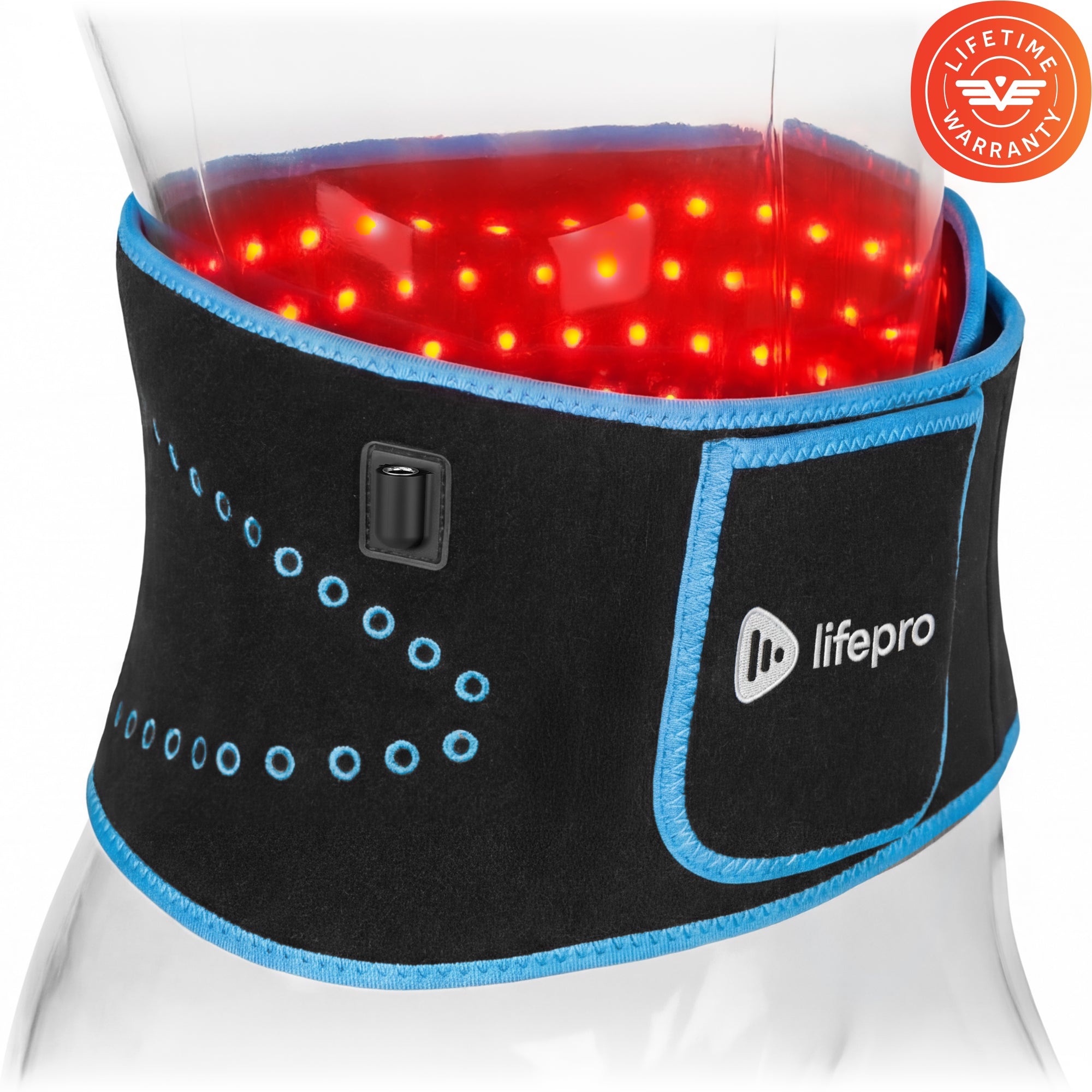
Lifepro Red Light Therapy Belt
Affordable belt · adds vibration + pulsed light
Why it ranks here
One of the most affordable belts here, and it adds integrated vibration massage plus a pulsed-light mode on top of the standard 660nm/850nm output. The comfort features make it appealing if you want soothing warmth and massage alongside light, rather than maximum irradiance.
- Among the cheapest options here
- Vibration massage adds comfort
- Adjustable and easy to use
- Lower light specs than dedicated brands
- Comfort features, not maximum dose

Infraredi Body Wrap
Cordless wrap · battery pack in the box
Why it ranks here
A dual-wavelength wrap that ships with a battery pack out of the box, so it’s cordless from day one — a nice touch at this price. The battery runs roughly 60–70 minutes per charge, which covers several sessions before it needs topping up.
- Cordless out of the box
- Dual wavelengths at a fair price
- Flexible wrap for several body areas
- Short battery runtime per charge
- Less brand track record than the top picks
How to Choose a Wearable
Five questions that narrow ten devices down to the one that fits your body and your pain.
1 Where is your pain?
One joint (knee, elbow, shoulder)? Go for pods or a laser device like Kineon or FlexBeam. A broad area like the lower back? A belt or pad. The whole body? A mat.
2 How deep is it?
Surface and muscle pain responds to 660nm + 850nm LEDs. Deep joint pain benefits from near-infrared lasers (808nm), which penetrate further than LEDs alone.
3 Corded or cordless?
If you want to move around during a session, prioritize a built-in battery. If you’ll sit or lie down, a mains-powered pad delivers steady output without runtime limits.
4 What’s the irradiance?
Higher irradiance means shorter sessions. Wearables sit against the skin, so even moderate figures deliver a strong dose — but published, verified numbers matter more than LED counts.
5 Trial and warranty?
Light therapy takes weeks to judge. A 60-day trial and multi-year warranty let you test consistently and protect the spend. Favor brands that publish their specs.
6 What’s your budget?
Capable belts start near $300. Laser pods and full-body mats run $500–$1,200+. Match the spend to how targeted or broad your treatment area needs to be.
Wearable Red Light, Answered
Do wearable devices work as well as full-size panels?
What wavelengths should a wearable have?
Belt, pod, or mat — which is best for back pain?
How long and how often should I use one?
Are wearable red light devices safe?
Does insurance or HSA/FSA cover these?
Medical disclaimer: This content is for informational purposes only and is not medical advice. Red light therapy is not a substitute for professional diagnosis or treatment. Consult a qualified healthcare provider before starting any new therapy. Individual results vary, and claims about specific outcomes are not guaranteed.
Not Sure? Start With Your Pain Point.
For a single joint, the Kineon MOVE+ Pro’s laser reaches deepest. For the back on a budget, the Hooga belt is the value benchmark. For whole-body recovery, the HigherDOSE mat covers it all. Match the form factor to where it hurts and you can’t go far wrong.
Back to the Top 10 →