
Why are you still seeing “medical-grade” labels on devices that barely emit enough photons to penetrate the dermis? It’s a valid concern, especially when the market for at-home photobiomodulation has surged and is filled with conflicting data. You want relief from chronic pain or cellular recovery, yet you’re likely stalled by the fear of investing in an underpowered light that lacks the irradiance for deep-tissue impact. Finding the best red light therapy panels in 2026 shouldn’t feel like a gamble against “scam” specifications and hidden flicker risks.
We agree that your health deserves more than marketing hype. Our team has conducted a sober, lab-tested investigation into the current market to separate high-performance equipment from glorified desk lamps. This research-backed guide provides a clear path to the most effective, high-irradiance panels available today. We’ll examine verified 1064nm and 850nm wavelength outputs, EMF safety profiles, and the specific irradiance levels needed for cellular ATP production. By the end of this review, you’ll know exactly which panels provide the biological efficacy required to achieve clinical results from the comfort of your home.
Key Takeaways
- Identify the technical markers of clinical-grade equipment, moving beyond surface-level aesthetics to prioritize wavelength precision and verified power density.
- Uncover the “irradiance deception” by learning to evaluate light intensity at therapeutic distances rather than misleading “at the glass” measurements.
- Compare the best red light therapy panels for 2026 through our lab-tested lens, focusing on spectral output accuracy and biological efficacy for pain management.
- Master the biphasic dose response to optimize your treatment duration, ensuring you trigger cellular recovery without reaching the point of diminished returns.
- Establish a professional-grade home setup with precise calibration for skin distance and safety protocols to maximize your investment in photobiomodulation.
The 2026 Landscape of Red Light Therapy Panels
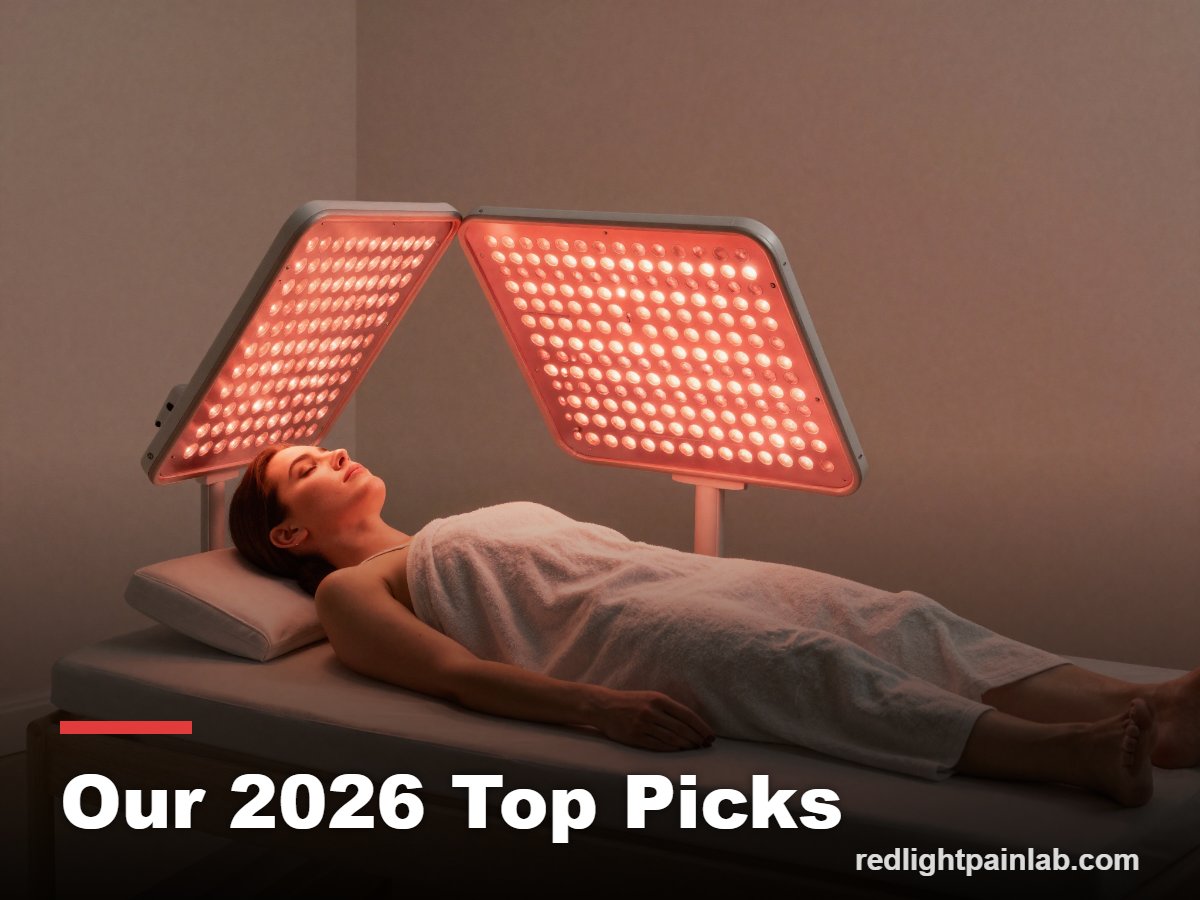
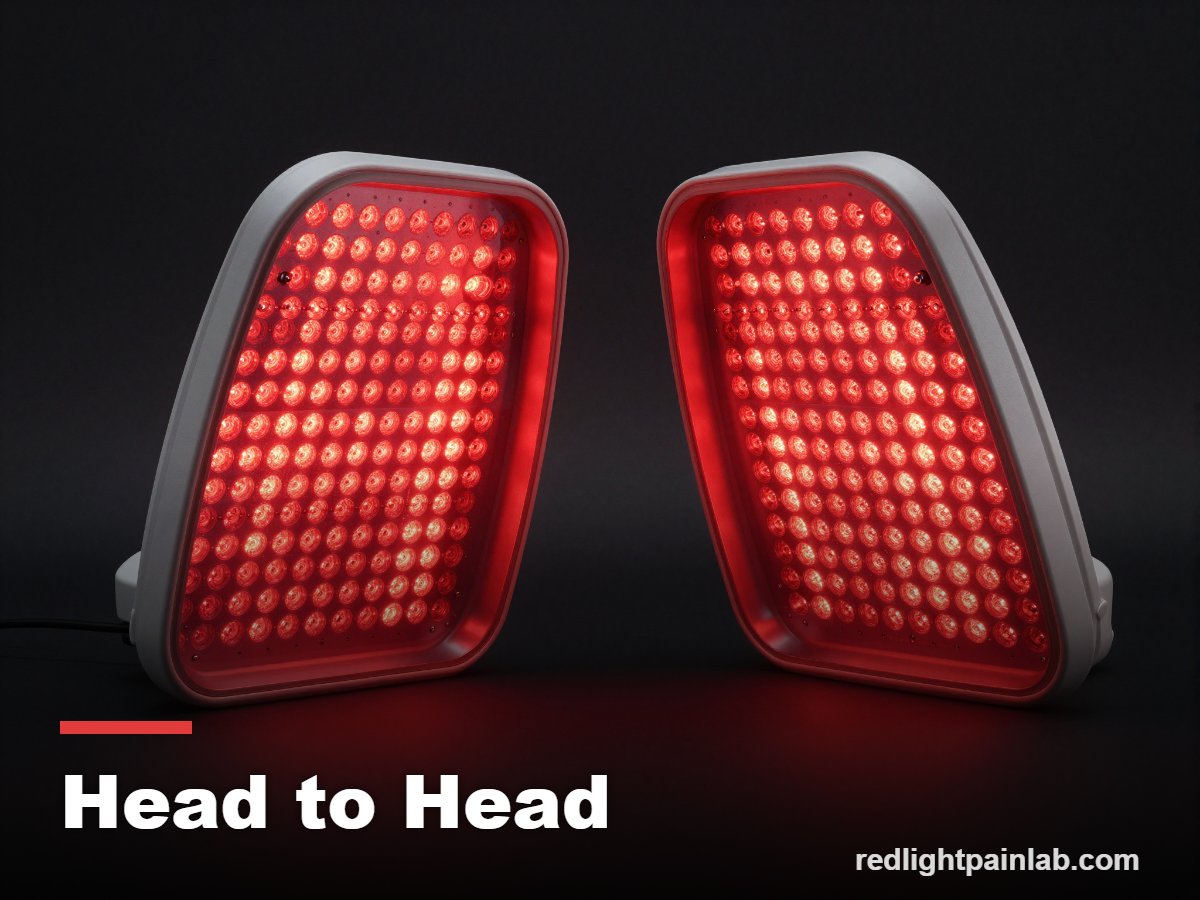

Have we reached a tipping point in home health technology? For years, the market for light therapy was dominated by low-irradiance “beauty” masks that offered little more than a superficial glow. By 2026, the paradigm has shifted. We’ve moved beyond simple LED arrays into a sophisticated era of bio-integrated hardware. Today, the best red light therapy panels are defined by their ability to mimic the power density of clinical lasers while maintaining the safety profile of Low-level laser therapy (LLLT).
What exactly constitutes “clinical grade” in the current market? It isn’t just about the number of bulbs. It’s about the precision of the spectral output and the stability of the power density. A therapeutic powerhouse must maintain its irradiance at distances of 6 to 12 inches, where most deep-tissue protocols occur. Standard wellness panels often lose up to 80% of their effective power at these distances, rendering them useless for anything deeper than the epidermis. This is why the market is aggressively pivoting toward high-output devices designed for chronic pain and structural healing. Choosing the best red light therapy panels now requires a rigorous look at third-party lab data rather than marketing brochures.
Why 2026 is the Year of Wavelength Synergy
The industry has finally outgrown the basic 660nm and 850nm dual-chip standard. While these wavelengths remain foundational for skin health and inflammation, they often fail to reach deep structural targets like the hip joint or lower lumbar spine. The inclusion of 1064nm near-infrared light has become the 2026 benchmark for deep-tissue efficacy. This wavelength sits in a unique optical window where water absorption is minimal, allowing photons to penetrate significantly deeper. Multi-wavelength arrays are no longer a luxury; they’re a biological necessity to prevent cellular saturation and ensure that mitochondrial receptors continue to respond to the stimulus without plateauing.
The Rise of Modular and Smart-Control Systems
Is a single panel enough for systemic recovery? For those targeting chronic autoimmune conditions or full-body athletic recovery, the answer is usually no. Modularity allows users to link multiple high-output units together, creating a unified field of light that treats the entire body simultaneously. This systemic approach is supported by new app-integrated dosing systems. Instead of guessing how long to stand in front of the light, 2026 technology uses physiological data to recommend precise timing. Whether you’re using a touchscreen interface or a remote app, the goal is protocol flexibility. You can now toggle specific wavelengths to match your recovery stage, moving from surface skin repair to deep muscle rehabilitation with a single command.
Decoding Clinical-Grade Specifications: Beyond the Marketing Hype
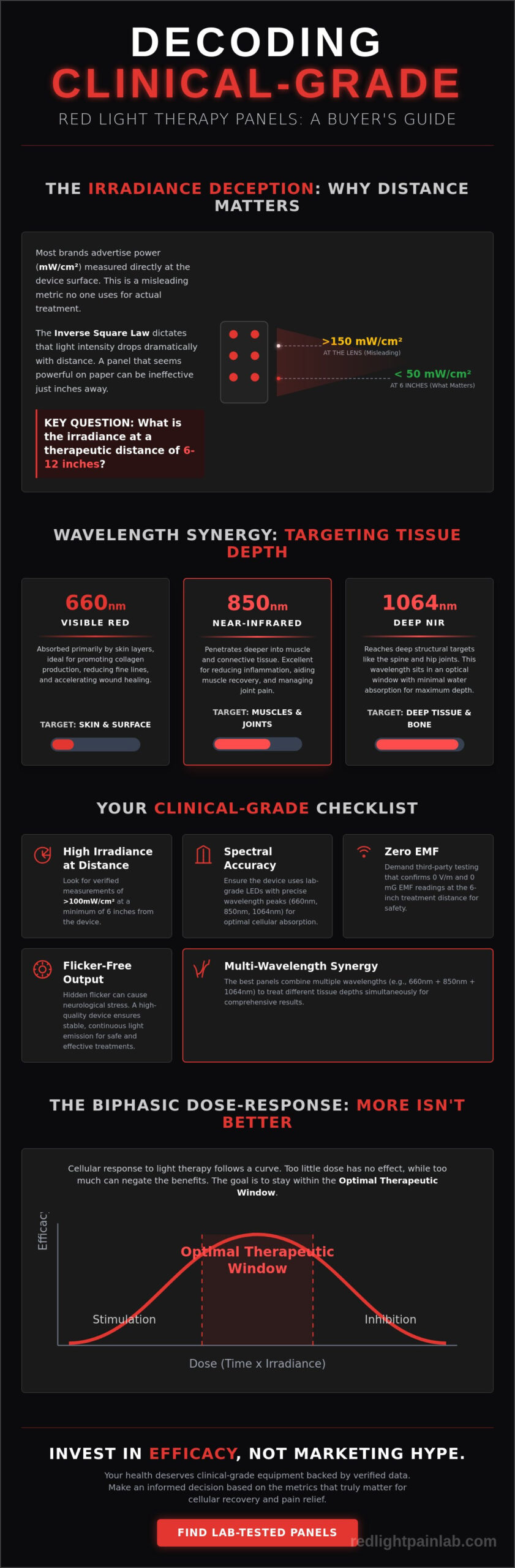
Why do most manufacturers highlight a single number, 100mW/cm², without providing the necessary context? This figure is often measured directly at the LED surface, which is a distance where no human can comfortably or safely receive treatment. When you’re searching for the best red light therapy panels, you must demand measurements taken at 6 or 12 inches. This is where the inverse square law dictates the true biological impact of the device. If the irradiance drops significantly at these distances, the panel is effectively a beauty light, not a clinical tool.
Understanding mW/cm² and the Inverse Square Law
Irradiance is the density of photons hitting a specific surface area. It’s vital to understand that power draw, or the wattage a panel pulls from your wall, is not a reliable proxy for light output. A panel might consume 500 watts of electricity but suffer from inefficient heat dissipation or poor lens quality, resulting in weak photon delivery. To calculate the actual dose reaching your mitochondria, you need to verify the irradiance at your specific treatment distance. If a brand won’t disclose these numbers or provides data without a specified distance, they’re likely hiding an underpowered light source that cannot penetrate beyond the skin’s surface.
Wavelength Physics: 660nm vs. 850nm vs. 1064nm
Spectral accuracy is the next hurdle for any serious user. Many budget lights claim to emit 660nm or 850nm, but lab-grade spectrometers often reveal significant drift into less effective ranges. Why does this matter? Your cells have specific chromophores, like cytochrome c oxidase, that only respond to precise wavelengths. While a clinical trial on red light therapy for skin rejuvenation might prove the efficacy of 660nm for collagen, those same photons won’t reach a damaged tendon or a deep joint. For deep-tissue relief, the 800nm to 1100nm “optical window” is the sweet spot. This is why 1064nm has become a mandatory specification for serious pain management; it bypasses the water and melanin in your skin to target the underlying anatomical architecture. When red and near-infrared light work in synergy, they maximize ATP production across multiple tissue depths simultaneously.
Finally, we must address the invisible risks: flicker and electromagnetic fields (EMF). High-intensity LEDs can pulse at rates that stress the nervous system, potentially causing headaches or eye strain during long sessions. The best red light therapy panels in 2026 utilize high-quality, flicker-free drivers and internal shielding to ensure zero EMF at treatment distances. Protecting your nervous system is just as important as stimulating your mitochondria. If you’re feeling overwhelmed by these technical requirements, you can view our lab-verified hardware rankings to see which devices actually meet these rigorous standards.
Best Red Light Therapy Panels for 2026: A Comparative Analysis
How do we categorize a market that ranges from tabletop units to full-body towers? It requires a framework that prioritizes biological impact over aesthetic design. We evaluate the best red light therapy panels using a proprietary “Bio-Efficacy” score. This metric moves beyond manufacturer claims to analyze lab-verified irradiance at 6 inches, spectral accuracy, and the effectiveness of EMF shielding. Our goal is to provide a protective filter between you and underpowered devices that fail to trigger mitochondrial stimulation.
Best for Deep-Tissue Pain and Inflammation
For chronic pain, the technical focus must shift to near-infrared (NIR) dominance. The Bon Charge Max, priced at $849.15 as of February 2026, represents a high-performance benchmark for deep structural targets. Its precision in delivering therapeutic wavelengths is critical for reaching lumbar discs and deep joint capsules where standard light cannot penetrate. Similarly, the ATaPa ATHENA, priced at $780.00 as of February 2026, offers a robust spectral output designed for those seeking systemic relief from inflammatory conditions. These panels are not just lights. They are precision tools for anatomical recovery.
Best High-Value and Budget-Conscious Panels
Is it possible to achieve clinical results for under $500? In 2026, the answer is yes, provided you understand the trade-offs. The “sweet spot” for value usually involves sacrificing treatment area rather than light quality. The Hooga PRO300, available for $299 in June 2026, provides a high-irradiance solution for targeted facial therapy or small-joint issues like carpal tunnel. These compact units maintain the same spectral precision as their larger counterparts but require more sessions to cover the same body surface.
Best Premium Full-Body Modular Systems
For the enthusiast building a dedicated home lab, modularity is the primary differentiator. High-end systems like the Bon Charge Max series allow for scalable coverage. You can start with a single panel and eventually build a full-body array that utilizes pulsing and multi-mode protocols to maximize athletic recovery. Investing in the best red light therapy panels at this level ensures your hardware can grow with your physiological goals. These premium setups prioritize irradiance-to-price ratios while maintaining the clinical standards necessary for systemic health protocols.
The Truth About Irradiance and Wavelength Synergies for Pain
Is a red light panel just a sophisticated, overpriced heat lamp? This is the most frequent objection from skeptics, and it stems from a fundamental misunderstanding of light physics. Traditional heat lamps utilize infrared-B and infrared-C wavelengths to agitate water molecules and create thermal energy. In contrast, the best red light therapy panels utilize photobiomodulation to trigger a non-thermal, photochemical reaction within your cells. When photons of specific wavelengths hit the Cytochrome C Oxidase enzyme in your mitochondria, they displace inhibitory nitric oxide and allow for a surge in adenosine triphosphate (ATP) production. You aren’t just warming the tissue; you’re chemically refueling the cellular engine.
However, more light doesn’t always translate to faster healing. The biological response to light follows what’s known as the Biphasic Dose Response. This principle suggests that while a specific amount of light stimulus promotes cellular repair, exceeding that threshold can lead to a plateau or even an inhibitory effect where healing is suppressed. This is why “prolonged” sessions with high-output panels can sometimes be counterproductive. Finding the best red light therapy panels is about identifying hardware that allows for precise dosing, ensuring you stay within the therapeutic window for optimal recovery.
The Science of Penetration Depth
Biological efficacy is entirely dependent on reaching the target tissue. Red light in the 630nm to 660nm range is highly absorbed by the skin, making it ideal for collagen production and superficial wound healing. Near-infrared light between 810nm and 850nm penetrates deeper into the muscle and connective tissue, addressing joint inflammation and recovery. 1064nm light penetrates up to 10cm, reaching deep spinal structures. This deep NIR wavelength is the missing link for individuals struggling with sciatica, herniated discs, or deep-seated pelvic pain that standard 850nm LEDs simply cannot reach.
Dosing Protocols for Maximum Efficacy
How do you calculate a therapeutic dose at home? The standard metric is Joules per square centimeter (J/cm²), which is a product of irradiance and time. If your panel delivers 50mW/cm² at your treatment distance, a ten-minute session provides 30 J/cm². Consistency beats session length every time. A focused 10-minute daily session is significantly more effective for chronic pain than a single 60-minute session once a week. Protocol timing also matters. Use your panel in the morning for circadian rhythm regulation, pre-workout to prime muscles for exertion, or post-workout to accelerate the clearance of metabolic waste. To ensure your hardware is capable of delivering these therapeutic loads, compare our top-rated panels for 2026 and select a device that matches your specific anatomical needs.
Implementation: Setting Up Your Home Light Therapy Lab
How do you transform a piece of high-performance hardware into a functional clinical environment? Acquiring one of the best red light therapy panels is only the first step. To achieve the deep-tissue penetration and ATP production discussed previously, your physical setup must be as precise as the device’s spectral output. Mounting choice dictates your protocol’s success. Door-hanging systems are optimal for full-body systemic health, allowing the light to bathe large surface areas. Conversely, mobile floor stands provide the flexibility needed for targeted anatomical targets, such as a lateral knee injury or lumbar disc issues, where the angle of incidence is critical. This precision is particularly vital when using 1064nm light, which penetrates up to 10cm to reach deep spinal structures that standard wavelengths cannot touch.
Optimal Session Parameters
Why is the 6 to 12-inch rule non-negotiable? As we established with the inverse square law, distance determines the irradiance your mitochondria actually receive. If you’re too far, the photon density is insufficient for deep-tissue relief. If you’re too close, you risk thermal stress or uneven distribution. A 10 to 20-minute session remains the clinical standard for most chronic pain protocols. Ensure the light hits the target area perpendicularly; an oblique angle increases reflection and reduces the depth of penetration. Consistency is your most powerful variable. Success isn’t immediate, but it is cumulative.
- Week 1: You’ll likely notice improved sleep quality and a reduction in acute inflammatory markers.
- Week 4: Muscle recovery times should shorten significantly, and skin collagen density often shows visible improvement.
- Week 12: This is the window for deep structural changes, including joint mobility and chronic nerve pain relief.
Long-Term Maintenance and Safety
What are the non-negotiables for ocular safety? While near-infrared light is often used in clinical settings for eye health, the high-intensity output of the best red light therapy panels requires caution. We recommend using black-out goggles for any session where your face is directly exposed. If you’re treating the lower body, closing your eyes is generally sufficient. Always consult a physician if you have photosensitivity disorders or are taking medications that increase light sensitivity. Success requires a methodical approach, moving from problem identification to validated hardware and, finally, to a disciplined protocol. Ready to begin your journey? You can Compare our top-rated panels and find your clinical solution at RedLightPainLab.com.
Securing Your Path to Cellular Recovery
Are you ready to move past the ambiguity of unverified marketing claims? Choosing the best red light therapy panels in 2026 requires a shift from passive consumption to active, data-driven selection. We’ve established that biological efficacy depends on more than just visible brightness. It requires precise 1064nm deep-tissue protocols and irradiance verified at 6 and 12-inch distances to ensure photons actually reach the target anatomy. Without these specific markers, your investment remains a matter of guesswork rather than clinical recovery.
Our independent spectral analysis serves as a protective filter, helping you bypass underpowered devices that fail to trigger mitochondrial repair. You now have the technical framework to distinguish between a superficial wellness tool and a therapeutic powerhouse. To finalize your decision and secure a device that delivers results, you can Explore our Lab-Tested 2026 Red Light Therapy Panel Rankings. Taking control of your physical well-being starts with hardware you can trust. Your journey toward lasting relief and cellular vitality is within reach.
Frequently Asked Questions
What is the most effective red light therapy device for chronic back pain?
Devices that offer a high-irradiance near-infrared output combined with the 1064nm wavelength are the most effective for chronic back pain. Standard panels often lack the penetration depth required to reach the vertebral discs or deep spinal musculature. Clinical-grade systems, like the Bon Charge Max or the ATaPa ATHENA, are engineered to bypass the skin’s water absorption peaks. This ensures that the photon energy reaches the deep-seated nerve and joint targets necessary for significant pain reduction.
Is a higher wattage panel always better for results?
Higher wattage is simply a measurement of electrical consumption and does not correlate directly with light output or irradiance. A panel might pull significant power from the wall but suffer from inefficient LED drivers or poor lens focusing, leading to weak photon delivery at your skin. You should prioritize irradiance (mW/cm²) at therapeutic distances over raw wattage. The best red light therapy panels focus on converting that electrical power into a precise, dense beam of light that actually reaches your mitochondria.
How do I know if a red light therapy panel has high EMF levels?
You can identify high EMF levels by requesting third-party laboratory verification for electric and magnetic fields. High-quality panels utilize internal copper shielding and advanced power supply designs to keep EMF at zero or negligible levels at the 6 to 12-inch treatment range. If a brand cannot provide these specific test results, they are likely using unshielded components. This is a critical safety consideration for those using high-intensity devices for systemic recovery protocols.
Can I use red light therapy every day, or is it possible to overdo it?
Daily use is ideal for chronic conditions, but exceeding the recommended session duration can lead to a plateau in results. This is due to the biphasic dose response, where too much light stimulus becomes inhibitory rather than regenerative. Most clinical protocols suggest 10 to 20 minutes per target area. Consistency is far more important than session length; a focused daily dose is the key to maintaining the cellular energy levels required for long-term recovery.
What is the difference between 660nm and 850nm wavelengths in a panel?
The 660nm wavelength targets the mitochondria in the skin and superficial tissue, whereas 850nm is designed for deeper muscle and connective tissue. While 660nm is excellent for surface repair, 850nm falls within the “optical window” where it can penetrate several centimeters into the body. Using the best red light therapy panels that offer both allows you to treat the entire anatomical stack, from dermal collagen production down to deep joint inflammation, in a single session.
Are cheap red light therapy panels on Amazon worth the money?
Cheap mass-market panels are generally insufficient for clinical results due to wavelength drift and inaccurate irradiance ratings. These budget lights often use low-quality LEDs that emit a broad, imprecise spectrum, missing the specific absorption peaks of Cytochrome C Oxidase. Furthermore, they frequently lack the power density needed for deep-tissue penetration. For serious pain management or systemic health, the risk of buying an underpowered “beauty” light outweighs the initial cost savings.
Do I need to wear goggles when using a high-output red light panel?
You should wear opaque safety goggles whenever your face is directly exposed to a high-output clinical panel. The intensity of modern LEDs is significantly higher than older units, and direct exposure at close range can cause eye strain or nervous system irritation. While the light itself is not ionizing, the brightness can be overwhelming for the retina. If you are treating the lower body or back, simply closing your eyes is usually acceptable, but goggles are a mandatory precaution for facial protocols.
How long does it take to see results for inflammation and joint pain?
You may feel a reduction in inflammation and improved mobility within the first week, but structural healing usually follows a 4 to 12-week timeline. This delay is due to the nature of cellular turnover and the time required for collagen and tissue remodeling. While the immediate non-thermal warming provides comfort, the true therapeutic impact is cumulative. Adhering to a steady protocol ensures your cells have a consistent supply of ATP to fuel the complex stages of biological repair.