
As many as 40% of people will get sciatica during their lives. This introduction explains how targeted light treatment can reduce nerve pain, shorten recovery time, and improve day-to-day function. We present clear, evidence-based insight so readers can weigh benefits and safety.
Our comprehensive page reviews clinical results and user experiences to show which approaches deliver consistent relief. We discuss how regular sessions may ease chronic back pain and lessen symptoms that limit mobility.
If you cannot load the full article due to a page blocked extension, try disabling extensions and refresh the page blocked to view all content.
For device guidance and to explore the best red light therapy options, see our in-depth review at best red light therapy options. We note that your pain may be deeper than 660nm can reach, so device choice and treatment plan matter.
Key Takeaways
- Sciatica affects many people: almost 40% will experience it.
- Targeted light treatment can reduce nerve-related pain and improve mobility.
- Evidence-based reviews show benefits when protocols are followed consistently.
- Safety and proper device selection are essential for good results.
- If a page blocked extension prevents viewing, try disabling extensions and refreshing.
- Consult a clinician to integrate light treatment with other care options.
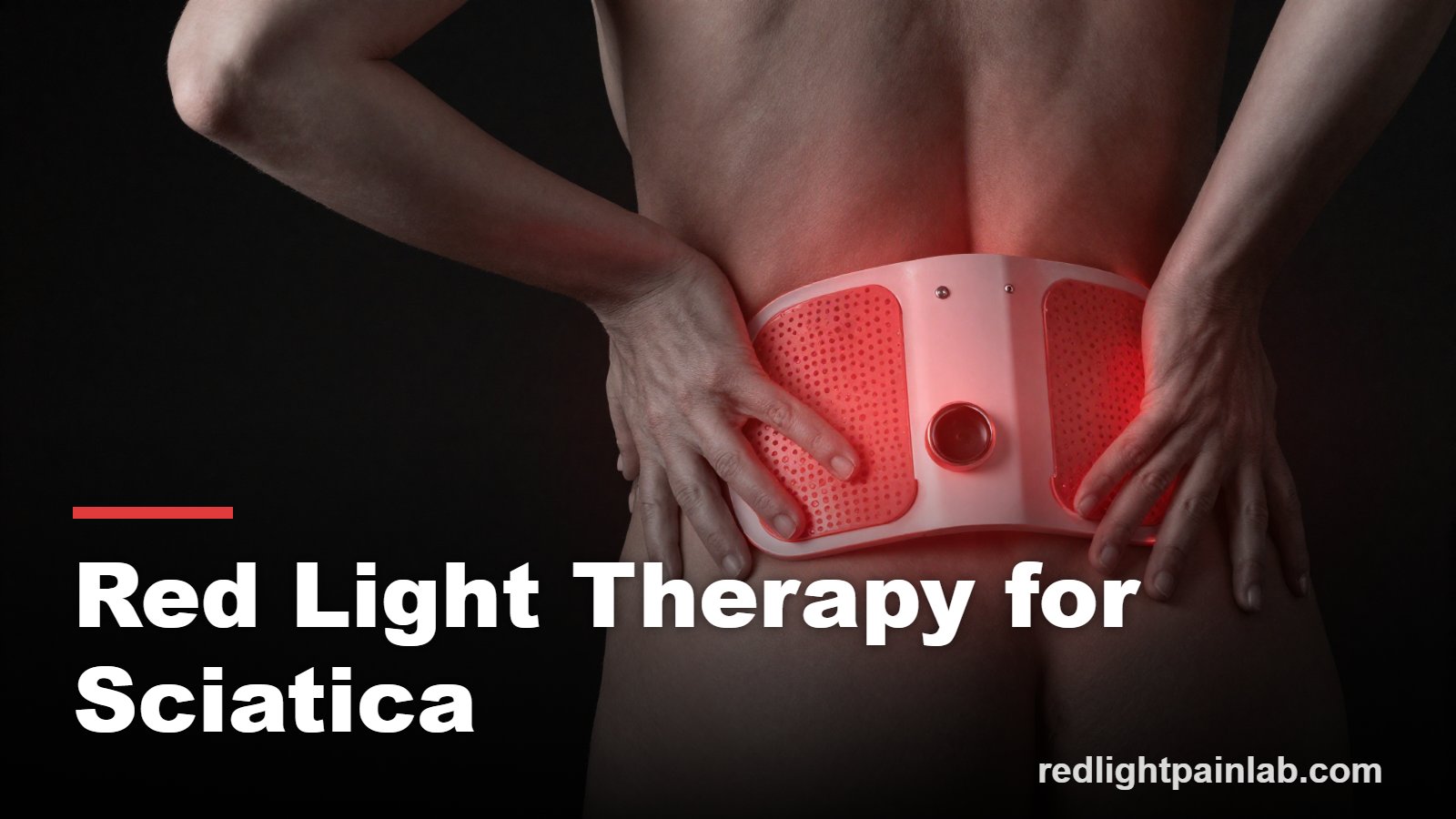
Table of Contents
- Understanding the Causes and Symptoms of Sciatica
- How Red Light Therapy for Sciatica Works
- Key Benefits of Light Therapy for Nerve Pain
- Setting Up Your At-Home Treatment Routine
- Managing Expectations and Recovery Timelines
- Integrating Light Therapy with Other Care Plans
- Conclusion
- Real Reddit Experiences
Understanding the Causes and Symptoms of Sciatica
When lower spinal nerve roots are squeezed, patients usually notice clear patterns of pain and sensation change along the sciatic nerve. These patterns help clinicians pinpoint the affected level and guide treatment.
Common Triggers
Herniated disc and spinal stenosis are the most frequent causes. Both create constant pressure on the nerve and produce severe low back pain that can radiate into the leg.
Piriformis syndrome is another common condition. Tight muscles or scar tissue compress the nerve in the buttock and mimic disc-related cases.
Identifying Nerve Root Symptoms
Different roots (L4–S3) cause distinct signs. For example, L4 may reduce knee reflexes while S2–S3 involvement can affect bowel or bladder control.
Patients often report numbness, tingling, or sharp pain in specific areas. These clues narrow diagnosis and shape safe care plans.
“Accurate symptom mapping speeds diagnosis and improves outcomes.”
If a page blocked extension appears, try disabling extensions and refresh the page blocked to view full details.
How Red Light Therapy for Sciatica Works
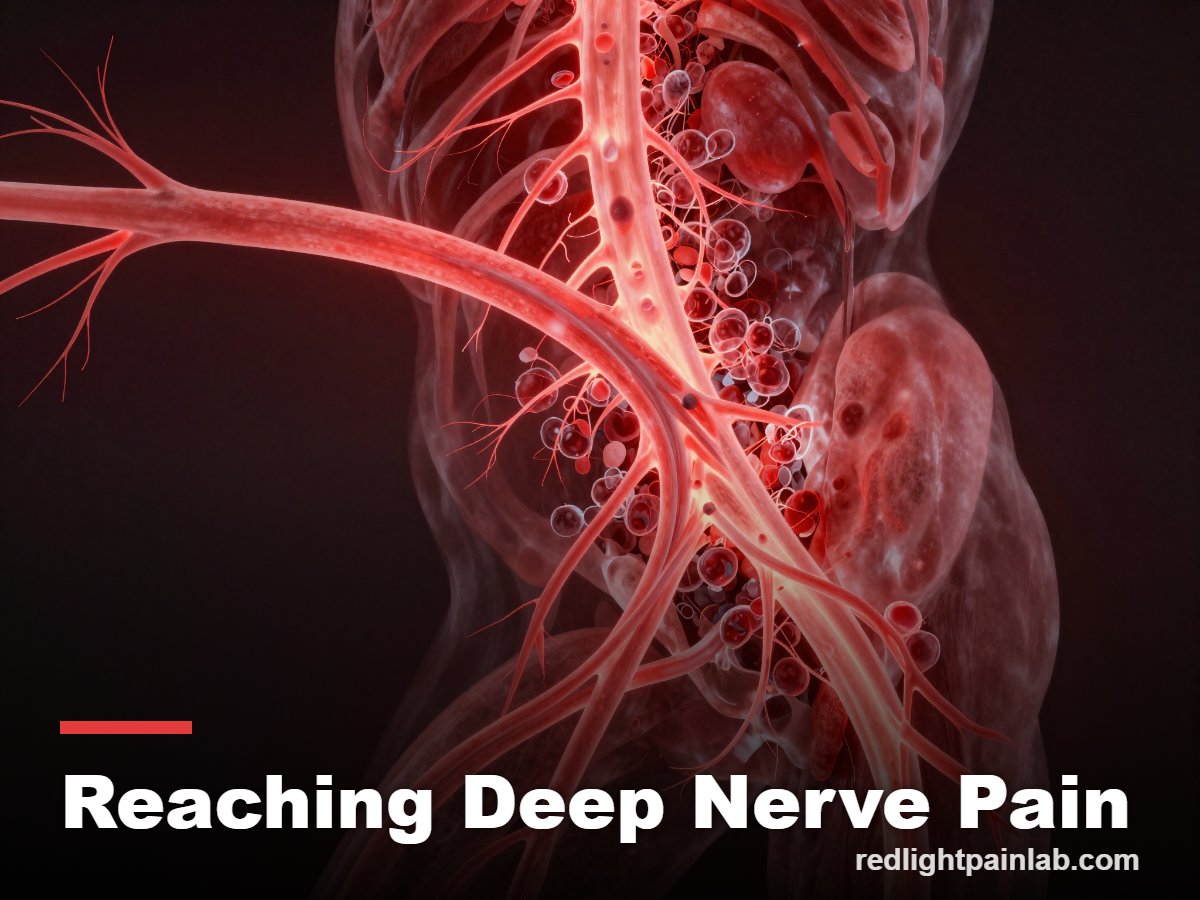
Targeted wavelengths between 630 nm and 700 nm trigger cellular repair processes that can ease nerve-related pain in the low back.
Light-emitting diodes deliver photons that penetrate skin and reach mitochondria in the affected nerve. This boosts energy production and speeds tissue repair.
Key mechanisms include nitric oxide release, which improves blood flow, and reduced inflammation that often drives chronic back pain.
- Red near-infrared light helps lower pain and support healing.
- Low-level laser therapy accelerates the body’s natural recovery at the cellular level.
We also note practical access: if a page blocked extension appears, try disabling extensions so you can read the full clinical details. Refresh the page blocked if a blocked extension blocked error shows up.
“When mitochondria respond, symptoms often lessen and function improves.”
For device guidance and practical results, see our device guidance page.
Key Benefits of Light Therapy for Nerve Pain
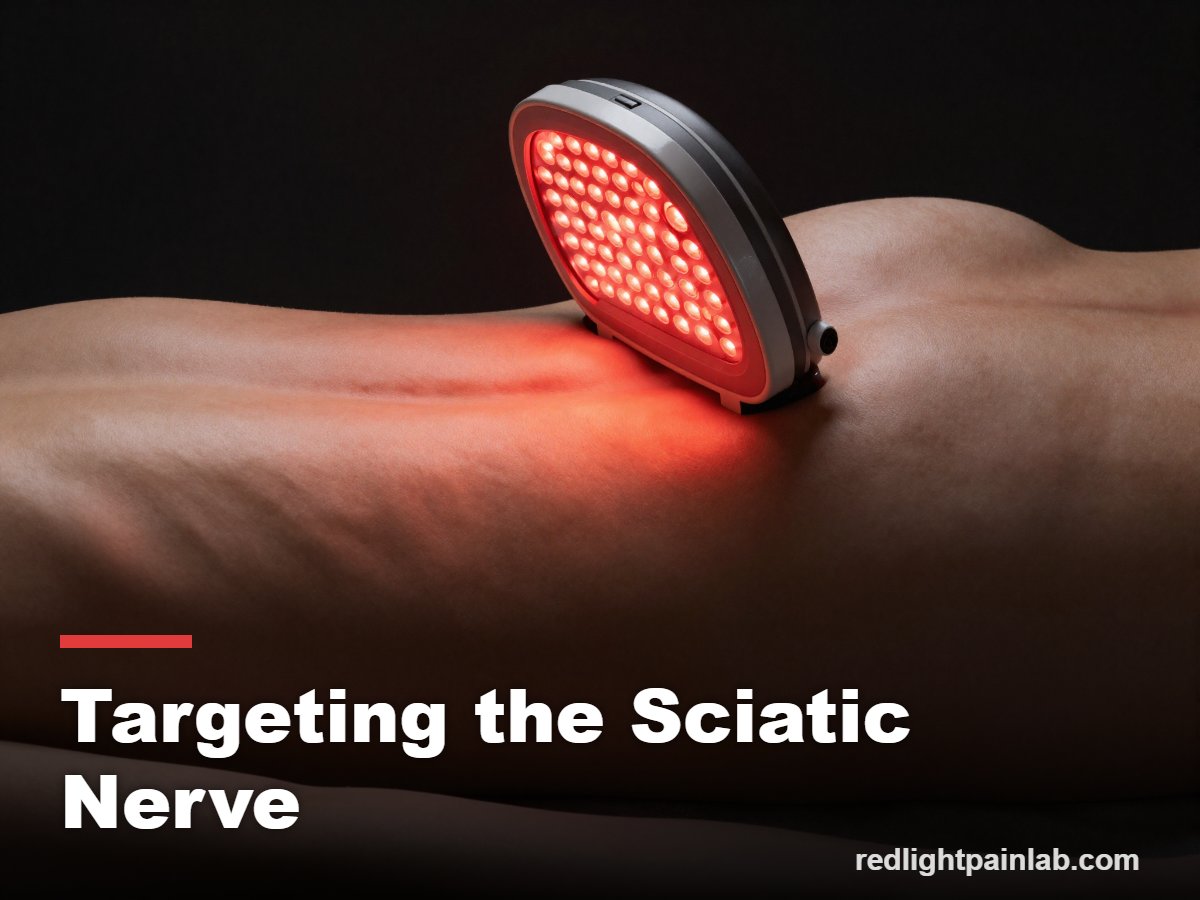
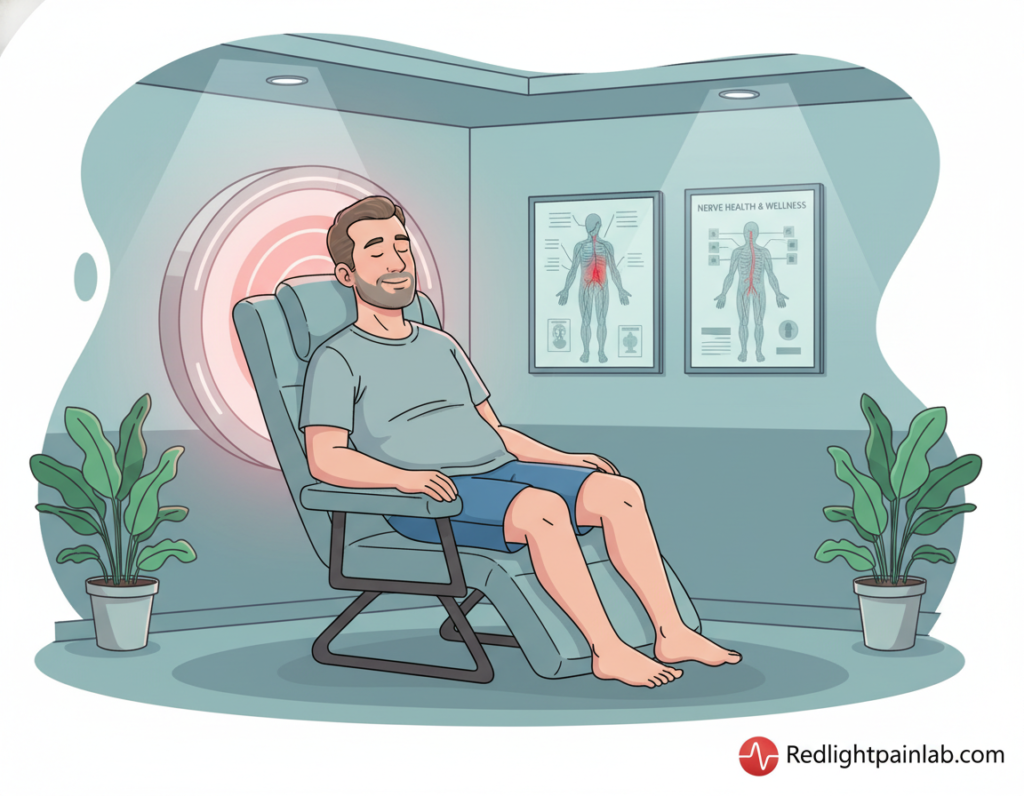
Evidence indicates that certain wavelengths improve blood flow and reduce swelling around compressed nerves. This section summarizes three practical benefits clinicians and patients report.
Reducing Inflammation
Targeted wavelengths lower inflammatory cytokines that cause swelling and pain. Research on 660 nm shows faster sciatic nerve regeneration and measurable drops in inflammation markers.
Improving Blood Flow
Enhanced circulation brings oxygen and nutrients to damaged tissue. Better blood delivery speeds repair and reduces persistent low back pain.
Supporting Cellular Repair
Mitochondria absorb photons and produce more ATP. Increased cellular energy fuels healing and improves nerve function over time.
“Consistent sessions often lead to reduced pain and better mobility.”
| Benefit | Mechanism | Expected Results |
|---|---|---|
| Inflammation reduction | Lower cytokine activity | Less swelling, faster symptom relief |
| Improved circulation | Vasodilation and perfusion | Better nutrient delivery, quicker healing |
| Cellular repair | Increased ATP from mitochondria | Enhanced nerve regeneration and function |
To read clinical summaries on persistent pain and device protocols, see our guide on chronic back pain. If a page blocked extension appears, try disabling extensions and refresh to view full results. A blocked extension blocked error is often fixed by reloading the page blocked.
Setting Up Your At-Home Treatment Routine
A short, consistent routine at home is the most reliable way to see steady pain reduction. Start with modest sessions and build habit. Small daily steps add up and help protect against flare-ups.
Optimizing Wavelengths and Session Duration
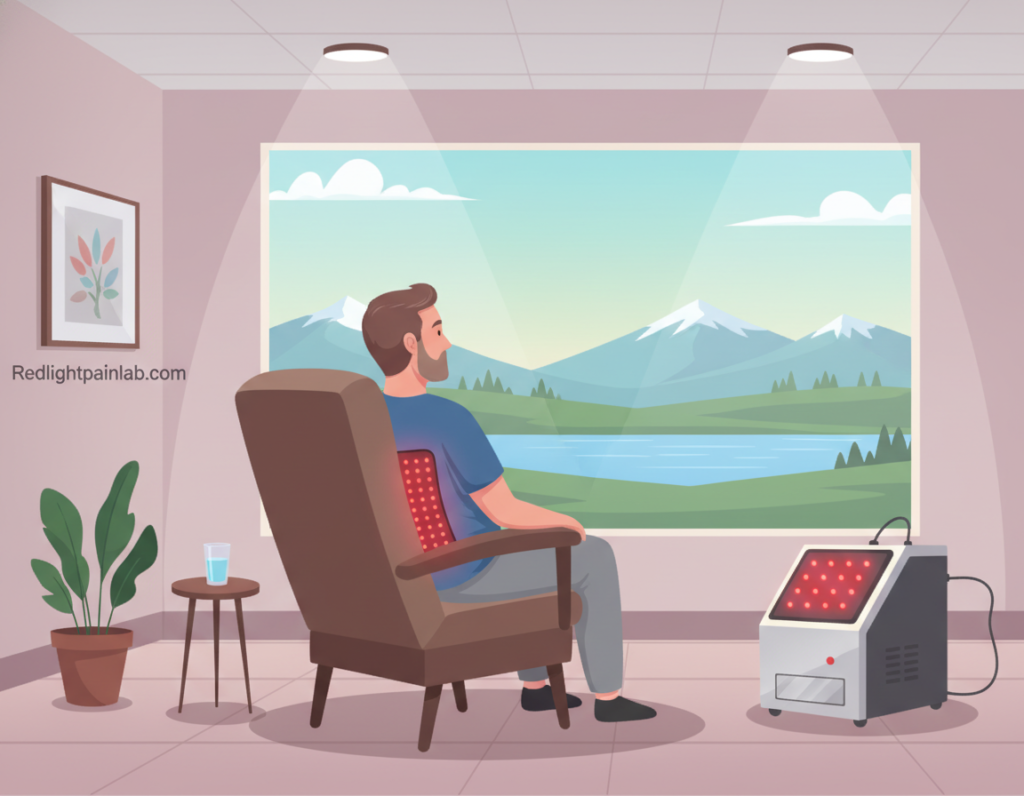
Aim for a daily block of 5–15 minutes focused on the lower back and glutes. This range balances dose and convenience and aligns with common clinical guidance for home use.
When you choose a device, read customer reviews to confirm safety certifications and real-world results. Include a unit that supports near-infrared or low-level laser therapy if deeper penetration is needed to reach the sciatic nerve.
Position the tool so the light covers the affected area without moving during the session. Proper placement helps improve blood flow, reduce inflammation, and give cells the energy they need to heal.
- Keep sessions short and daily to track progress.
- Focus on the lower back and glute area to support movement and relief.
- Use reviews and safety info when selecting a device.
If a page blocked extension prevents access to detailed protocols, try disabling extensions and refresh the page blocked. A blocked extension blocked notice often clears after reload.
Track your results over weeks. Consistent timing and careful placement yield the best long-term outcomes and safer at-home care.
Managing Expectations and Recovery Timelines
Expect gradual progress: most acute flare-ups ease within 4–6 weeks, but true recovery can take longer when a disc or chronic compression is involved.
Chronic cases often need ongoing red light therapy and supportive care to manage persistent back pain. Many users report notable relief in numbness, tingling, and radiating leg pain after 6–12 weeks of consistent sessions.
Manage expectations: healing a compressed nerve requires time, patience, and safe protocols. Read user reviews to learn how others tracked their results and stayed motivated.
- Short-term: 4–6 weeks for many acute episodes.
- Medium-term: 6–12 weeks of routine treatment often shows meaningful relief.
- Long-term: persistent or severe cases may need months and combined therapies under professional supervision.
“If a page blocked extension appears, try disabling extensions and refresh the page blocked to view complete timelines and safety notes.”
Consult a clinician if symptoms persist or worsen. For device guidance and patient experiences, see our review of red light therapy for sciatica. A blocked extension blocked message can usually be fixed by refreshing the page.
| Stage | Typical time | Expected changes |
|---|---|---|
| Acute | 4–6 weeks | Reduced sharp pain, improved mobility |
| Subacute | 6–12 weeks | Less numbness and tingling; clearer functional gains |
| Chronic | 3+ months | Ongoing management, combined treatments, clinical review |
Integrating Light Therapy with Other Care Plans
Combining photon-based care with manual rehabilitation often speeds functional recovery after nerve compression. Clinicians increasingly pair red light therapy with exercise, spinal mobilization, and ergonomic coaching to address causes such as disc pressure and muscular imbalance.
A review of 11 randomized controlled trials confirmed that photobiomodulation reduces chronic pain and inflammation across conditions. That evidence supports using device-based sessions alongside standard care to improve outcomes for the sciatic nerve.
Improved blood flow from light therapy helps tissue heal and makes prescribed movement easier. When patients can move with less pain, physical therapy or chiropractic work becomes more effective and safer.
- Combine short device sessions with guided exercise to boost healing and restore movement.
- Discuss low-level laser therapy options with your clinician when deeper penetration is needed.
- If a page blocked extension appears, try disabling extensions and refresh to access full integration guides.
“A multi-faceted approach gives the best chance to reduce pressure, restore function, and maintain long-term relief.”
| Care Option | What it helps | How it pairs with device sessions |
|---|---|---|
| Physical therapy | Strength, flexibility, movement | Light boosts circulation so exercises are easier |
| Chiropractic care | Spinal alignment, disc pressure relief | Device use reduces inflammation before adjustments |
| Medical management | Pain control, diagnostics | Combined planning speeds healing and guides treatment |
If a blocked extension notice shows, reload the page blocked to view protocols and reviews that explain combined care plans. A coordinated strategy is the most reliable path to sustained back pain relief.
Conclusion
This conclusion ties clinical evidence and practical guidance into clear steps you can take to manage chronic nerve pain at home.
Red light has emerged as a non-invasive, drug-free option that may ease back pain by promoting cellular healing and lowering inflammation. Consistent use of light therapy, paired with professional care, gives the best chance of lasting relief.
Always consult your healthcare provider before starting any new treatment. We hope this page has empowered you to make informed choices and to pursue safe, evidence-based care.
Thank you for visiting — please bookmark this page for updates on new research and benefits red light users report.
Real Red Light Therapy Experiences on Reddit
Real, unpaid discussions about red light therapy for sciatica and nerve pain on Reddit. Anecdotal context, not proof. Links go to the original threads.
r/redlighttherapy
How Red Light Therapy Helped My Wife’s Sciatica Nerve Pain & Numbness
A detailed first-hand account of using a red light panel on the lower back and glute for sciatic nerve pain and numbness.
r/redlighttherapy
New to red light therapy with back pain and sciatic nerve
Someone starting out asks how to use red light for back pain and sciatica, with replies from experienced users.
r/ChronicPain
Natural recovery for nerve pain from surgery
A chronic-pain thread on non-drug options for nerve pain, where red and infrared light come up.
Disclaimer: The Reddit posts above are third-party personal discussions shared by individual users. They are anecdotal, not medical evidence. Results vary and are not verified or endorsed by RedLightPainLab. Always consult a qualified professional before starting red light therapy.