
In recent years, the popularity of red light therapy has surged, particularly in the realm of health and wellness. This innovative approach is gaining recognition for its potential to provide noninvasive relief from persistent discomfort. Dr. Jacob Calcei, an orthopedic sports medicine physician at University Hospitals, highlights its growing use in musculoskeletal care.
As an independent health writer, Nathan has dedicated years to exploring how this treatment can enhance overall well-being. While many initially associate this therapy with skin rejuvenation, its application in managing discomfort is an exciting development in clinical research.
This guide will delve into the science behind light therapy, detailing how it works to support your body. We will also review various devices available and how you can seamlessly incorporate them into your daily wellness routine.
Key Takeaways
- This therapy offers a noninvasive solution for discomfort.
- Dr. Calcei emphasizes its role in musculoskeletal care.
- Many users report benefits beyond skin rejuvenation.
- Understanding the science can help in making informed choices.
- Various devices are available for personal use.
Introduction to Red Light Therapy
The emergence of innovative treatments has transformed the landscape of health and wellness. One such treatment is red light therapy, which is gaining attention for its potential benefits.
Photobiomodulation, often referred to as low-level laser therapy, utilizes specific wavelengths of light. This technique stimulates biological responses in your cells and tissues, promoting healing and recovery.
This noninvasive approach is effective in addressing various conditions, including inflammation and skin issues. By delivering energy directly to the mitochondria, it enhances cellular function.
Dr. Jacob Calcei highlights that while this therapy is well-known in skincare, its advantages for musculoskeletal health are increasingly recognized. Light therapy may assist in cellular repair by boosting energy production, essential for natural healing.
Using a laser or LED device, this treatment targets specific areas, facilitating recovery without invasive methods or harsh chemicals.
The Science Behind Photobiomodulation
Innovative approaches in medical science are redefining how we view healing. One key aspect of this is photobiomodulation, a process that enhances cellular repair through specific wavelengths of light. When red light penetrates the skin, it is absorbed by mitochondria, the energy powerhouses of our cells.
This absorption significantly boosts ATP production, which is essential for cellular repair. This mechanism is crucial for understanding how light therapy can aid in healing damaged tissues. Research indicates that this treatment may effectively reduce inflammation and support muscle recovery.
Unlike high-intensity laser therapy, this method employs low levels of light, ensuring safety while providing the necessary stimulation for cellular function. By focusing on mitochondrial activation, this treatment enhances overall health and resilience against daily physical stress.
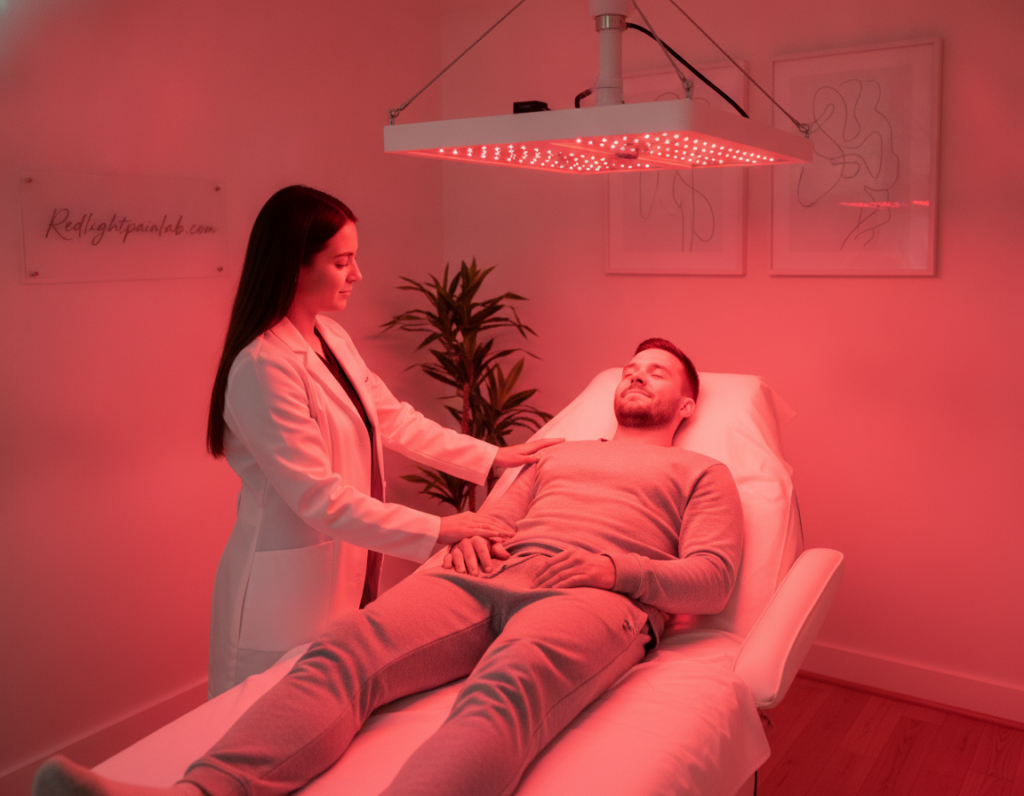
red light therapy for pain: How It Works
As healthcare continues to innovate, alternative treatments are gaining traction among those seeking relief from discomfort. One promising approach is red light therapy, which has shown potential in alleviating chronic pain.
This treatment works through various mechanisms that enhance healing. It is believed that light therapy stimulates the mitochondria in cells, increasing energy production. This boost in energy is crucial for cellular repair and may help reduce inflammation.
Moreover, a review of 11 studies confirms that this method can significantly lower the levels of enzymes associated with muscle soreness. This is why many athletes incorporate it into their recovery routines.
In addition, photobiomodulation may prevent the buildup of inflammatory markers, leading to better healing and reduced stiffness in joints and muscles. When you use red light therapy, you are essentially providing your cells with the energy needed to repair themselves and reduce inflammation naturally.
Clinical Evidence and Human Trials
As research progresses, we gain deeper insights into the efficacy of alternative health treatments. Numerous studies have focused on the potential benefits of red light therapy in various conditions.
A 2021 research review highlighted that this therapy had positive effects for people with dementia, with some participants showing memory improvements after 12 weeks. In another study involving 380 pregnant women, researchers found that laser light treatments were safe for both the parent and the fetus.
Moreover, a review of 17 clinical trials provides promising results regarding the ability of this therapy to improve physical function in patients with tendinopathy. These human trials demonstrate that consistent sessions are key to achieving the best results, as the benefits often accumulate over several weeks or months.
While more research is needed, the current body of evidence suggests that photobiomodulation is a safe and effective treatment for various chronic conditions.
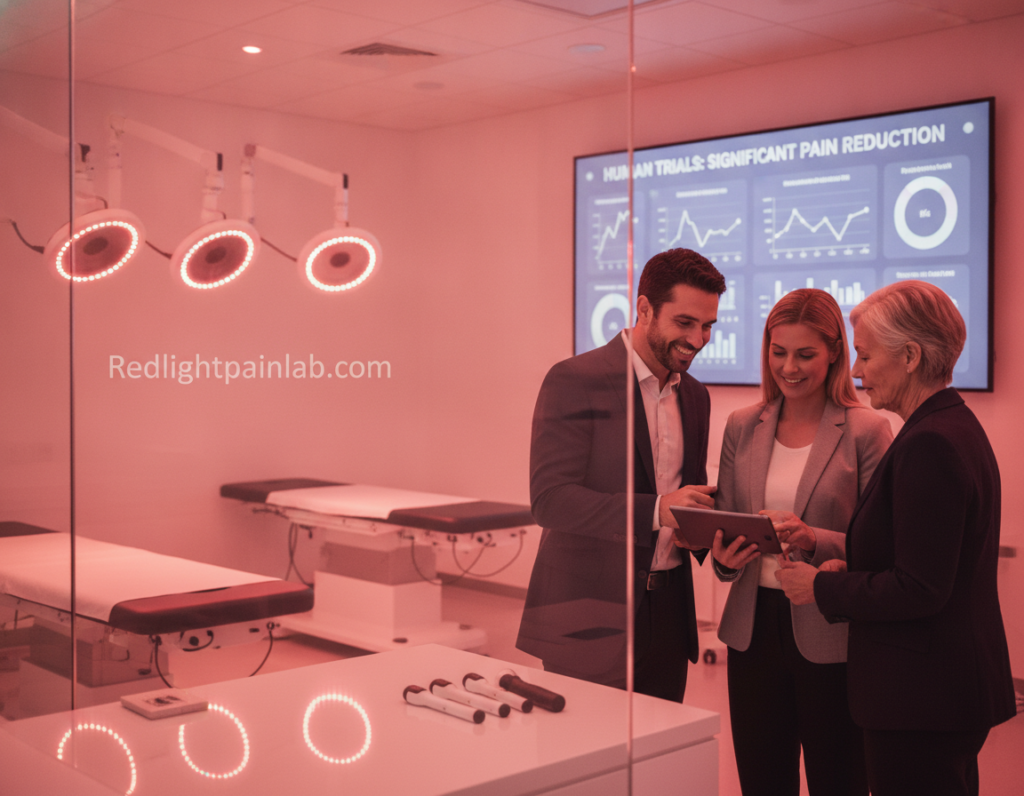
Comparing Home Devices vs- Professional Treatments
The decision between professional and at-home treatments can greatly influence your wellness journey. Understanding the benefits and drawbacks of each option is crucial for making an informed choice.
While professional sessions provide high-powered light therapy, the cost can be a significant factor. Sessions often exceed $80, which can add up quickly over time. In contrast, investing in a quality home device allows for regular treatments, which are essential for maintaining the benefits of red light therapy.
At-home solutions offer the convenience of professional-grade care without the hassle of travel. This makes it easier to stick to your treatment plan consistently. However, when selecting a device, consider its power output and the specific concerns you aim to address.
Many users find that the long-term savings of owning a device outweigh the initial investment compared to ongoing clinical visits. As one user noted, “Having my own device means I can take control of my wellness routine.”
A Closer Look at At-Home RLT Options
The world of at-home wellness solutions is expanding, offering innovative options for self-care. Among these, red light therapy devices have gained traction for their effectiveness in promoting healing and recovery.
RLT Home provides a variety of devices tailored to meet different needs:
- The Mini panel features 72 LEDs, perfect for targeted treatment.
- The Compact model, with 216 LEDs, is ideal for managing discomfort.
- For broader coverage, the Max panel offers 360 LEDs.
- The Ultra panel, with 480 LEDs, ensures optimal light dosage for effective treatment.
- Finally, the Elite model boasts 864 LEDs, designed for full-body coverage.
By using red light therapy at home, you can target specific areas like the knee or back with the same precision as a professional laser device. Regular use of these devices can lead to consistent results, whether you aim to alleviate discomfort or enhance skin health.
For more information on effective home treatments, visit this resource.
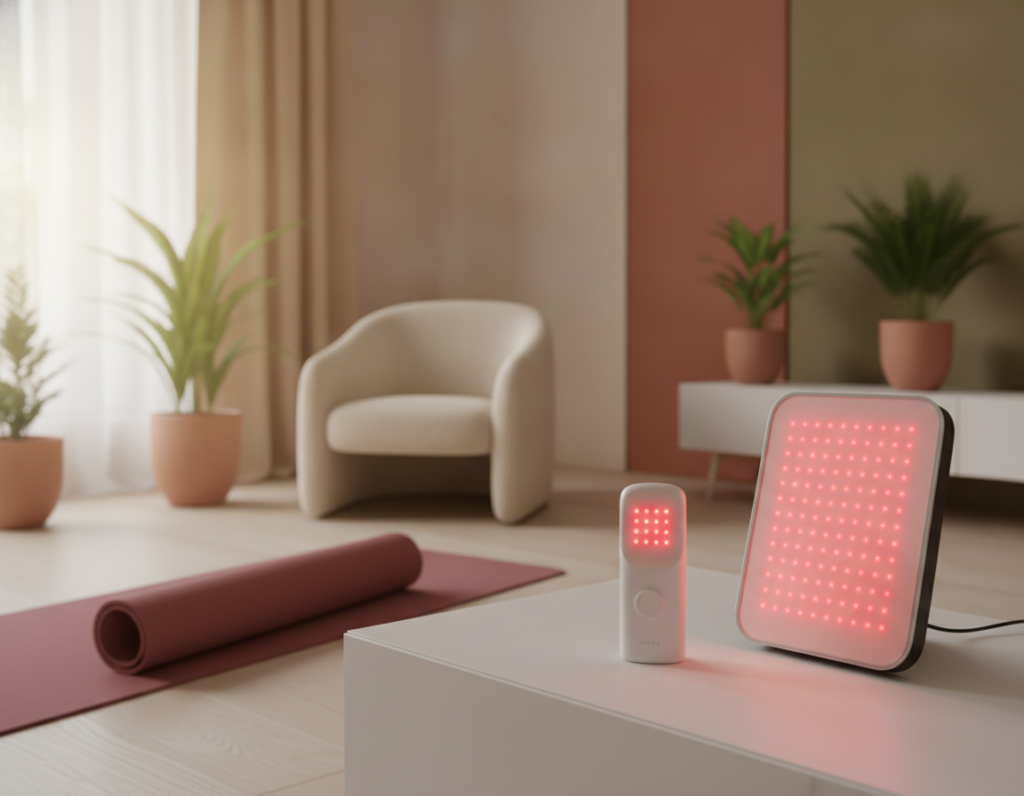
Device Features and USPs Overview
The latest advancements in at-home wellness technology are revolutionizing personal care. Among these innovations, red light therapy devices stand out for their versatility and effectiveness. These devices come equipped with a range of features designed to enhance user experience and treatment outcomes.
Advanced Wavelength and Pulsing Control
RLT Home devices feature seven distinct wavelengths, including 630nm and 850nm. This variety ensures deep tissue penetration, making them effective for both pain relief and skin health. Users can also benefit from individual wavelength and pulsing control, allowing for personalized treatment plans.
EMF Safety Standards and Warranty Benefits
Safety is a priority with these devices, as they maintain 0 EMF at 3 inches and beyond. This ensures that you receive the therapeutic energy needed without compromising safety. Additionally, every purchase includes a 60-day trial and a 3-year warranty, providing peace of mind as you integrate this technology into your daily routine.
| Feature | Description |
|---|---|
| Wavelengths | 7 distinct options (480, 630, 660, 810, 830, 850, 1064nm) |
| EMF Safety | 0 EMF at 3 inches and beyond |
| Modes | 6 pre-built modes (Pain, Skin, Brain, Weight Loss, Sleep, Custom) |
| Trial | 60-day trial included |
| Warranty | 3-year warranty for all devices |
With these advanced features, RLT Home devices are not just tools but integral components of a holistic approach to wellness. For more information on effective treatments, check out this resource or explore options for chronic conditions at this link.
Integrating RLT with Holistic Pain Management
Incorporating innovative treatments into a comprehensive approach can greatly enhance your well-being. By adding red light therapy to a holistic plan for managing chronic discomfort, individuals can experience improved health and a better quality of life.
This method focuses on reducing inflammation and supporting muscle recovery, enabling people to regain mobility while decreasing reliance on traditional medications. A personalized treatment plan is essential to ensure the right wavelengths and targeting strategies are used for optimal results.
Photobiomodulation plays a vital role by stimulating cellular energy and collagen production, both crucial for healing tissues affected by injury or aging. As an independent researcher, I suggest collaborating with your healthcare provider to create a tailored plan that integrates light therapy with other wellness practices.
- Integrating red light therapy into a holistic plan can significantly improve your overall health.
- This therapy helps people regain mobility and reduce reliance on traditional medications.
- Personalized treatment plans ensure the right wavelengths are used for the best results.
- Photobiomodulation stimulates collagen production, vital for healing.
- Work with your healthcare provider to create a comprehensive wellness plan.
Addressing Common Questions and Safety Concerns
As individuals explore various wellness options, questions about safety and effectiveness often arise. Understanding the distinctions between FDA registration and clearance is crucial for anyone considering red light therapy.
FDA Registration vs. FDA Clearance
It is important to note that no red light therapy panels are FDA cleared; they are FDA registered. This registration signifies that they meet specific safety standards.
Proper Usage and Safety Guidelines
When using light therapy, always follow the manufacturer’s directions to avoid potential side effects like skin redness or eye damage. Research shows that while generally safe, people with a history of skin cancer or those taking photosensitive medications should consult a doctor first.
- Consistent sessions are necessary to see improvements.
- Never exceed the recommended usage time to prevent skin irritation.
- By choosing FDA-registered devices, you ensure that your equipment has been evaluated for safety.
By adhering to these guidelines, you can enjoy the benefits of using red light safely and effectively. For more detailed information, visit this resource.
Red Light Therapy in the Broader Health Landscape
The landscape of wellness is continuously evolving, showcasing a variety of innovative treatments. Among these, red light therapy has emerged as a notable option, attracting attention for its potential benefits in various health areas.
Brands like PlatinumLED, Mito, Joovv, Hooga, Bestqool, and Heliocure illustrate the diversity of devices available today. Each offers unique features tailored to specific needs, making it easier for individuals to find suitable solutions.
Comparative Insights
- The market for this therapy is vast, with options available for both pain and skin health.
- Light therapy may also support weight loss and hair loss, although results can vary significantly.
- When evaluating devices, consider power, wavelength accuracy, and the health conditions you aim to address.
For a deeper dive into the best options for your needs, visit this resource. Staying informed about the latest studies in photobiomodulation will help you maximize the benefits of your chosen treatment.
Conclusion
This guide highlights the significant benefits of innovative light-based treatments. These options provide a scientifically backed, noninvasive way to manage discomfort and enhance skin health from the comfort of your home.
By understanding how light therapy works, you can make informed choices about the devices that align with your wellness goals. Consistency is key; following your personalized treatment plan diligently will yield the best results.
Always prioritize safety by using FDA-registered devices and consulting with your healthcare provider before starting any new health regimen. I hope this guide has empowered you to take control of your recovery and explore the benefits of this innovative technology.
– Nathan, independent RLT researcher.