
The 5 Best Red Light Therapy Belts for Pain
Strap it around your back, waist, or knee and walk away — hands-free relief that wraps the light against your skin. We compared the leading belts on wavelength, LED density, power, battery, and price. No brand paid for placement.
The Most Practical Wearable for Back & Core Pain
Of all the red light form factors, the belt is the one most people actually stick with. It wraps the painful area, holds the LEDs flush against your skin, and frees both hands so you can keep living while it works. For the lower back, waist, and hips, nothing else is this easy.
Hands-Free by Design
Wrap it, fasten the strap, and move. No holding a panel in place, no sitting still in front of a stand. Wear it at your desk, on the sofa, or while you stretch.
Skin Contact = Dose
Because the LEDs press directly against you, almost none of the light is lost to distance. That direct contact delivers a strong dose even at moderate irradiance figures.
Portable & Cordless
The best belts run on a rechargeable battery, so you can treat a sore back at the office or on a trip — no outlet, no cables, no setup.
All 5 Belts Compared
Every belt here runs 660nm red and 850nm near-infrared light. Where they differ: LED density, power output, battery, extra modes, and price.
| # | Belt | LEDs | Wavelengths | Best For | Price |
|---|---|---|---|---|---|
| 1 | MitoQUAD Wavelength Belt | 1,215 chips | 4 wavelengths | Premium / deep | Premium |
| 2 | Bon Charge Red Light Belt | 405 (3-chip) | 660nm + 850nm | Trusted brand | Check |
| 3 | Hooga Red Light Belt | 405 (1,215) | 660nm + 850nm | Best value | ~$299 |
| 4 | Nushape Light Therapy Belt | Flexible array | 660nm + 850nm | Slim wrap | Check |
| 5 | Lifepro Red Light Belt | 105 (3-chip) | 660nm + 850nm | Budget + modes | Budget |
Prices are approximate and change often. Confirm current pricing and specs on each brand’s official site before buying.
Top 5 Red Light Therapy Belts for Pain
Ranked on LED density, light output, battery, comfort, warranty, and value — weighted toward what matters for pain: getting therapeutic light into the tissue that hurts.
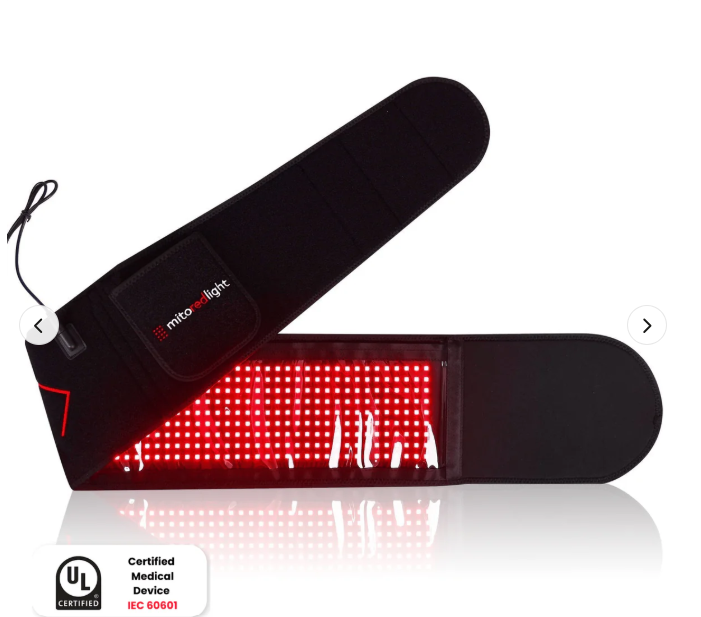
MitoQUAD Wavelength Belt
Four wavelengths · 1,215 chips · the premium pick
Why it tops the list
Most belts run two wavelengths; the MitoQUAD packs four into every LED using triple-chip (“TriChip”) diodes — 405 diodes for 1,215 chips total. That density gives very even coverage and broader tissue targeting when wrapped tight against the lower back, abdomen, or quads. It’s the most capable belt here, and priced to match.
- Four wavelengths for broader targeting
- Very high, even LED density
- Flexible fit for multiple body areas
- The most expensive belt here
- Premium spec is overkill for mild pain
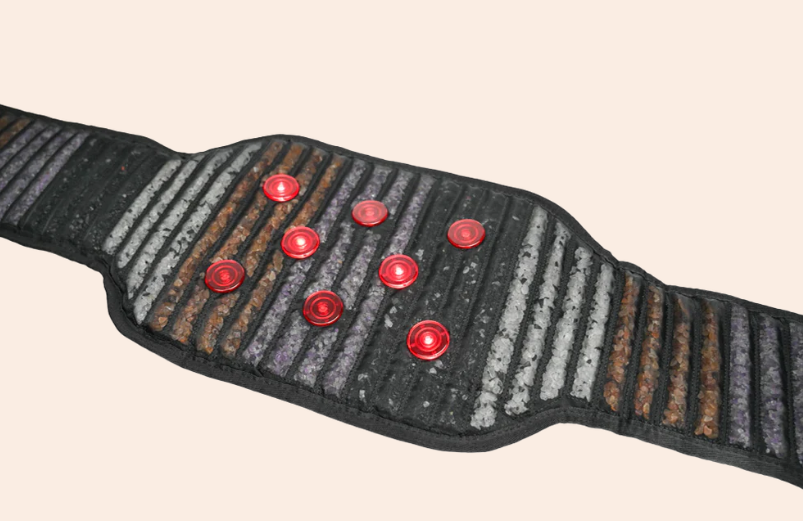
Bon Charge Red Light Therapy Belt
405 triple-chip LEDs · recognized wellness brand
Why it ranks here
Bon Charge is one of the better-known names in home red light, and its belt brings that brand polish: 405 advanced LEDs, each bead carrying three chips (two near-infrared, one red) for solid coverage and output. It wraps the shoulders, knees, back, and beyond, and is backed by a 1-year warranty and 30-day returns.
- Established, trusted wellness brand
- Triple-chip LEDs for even coverage
- Wraps shoulders, knees, back, and more
- Shorter warranty than some rivals
- Irradiance is solid, not class-leading
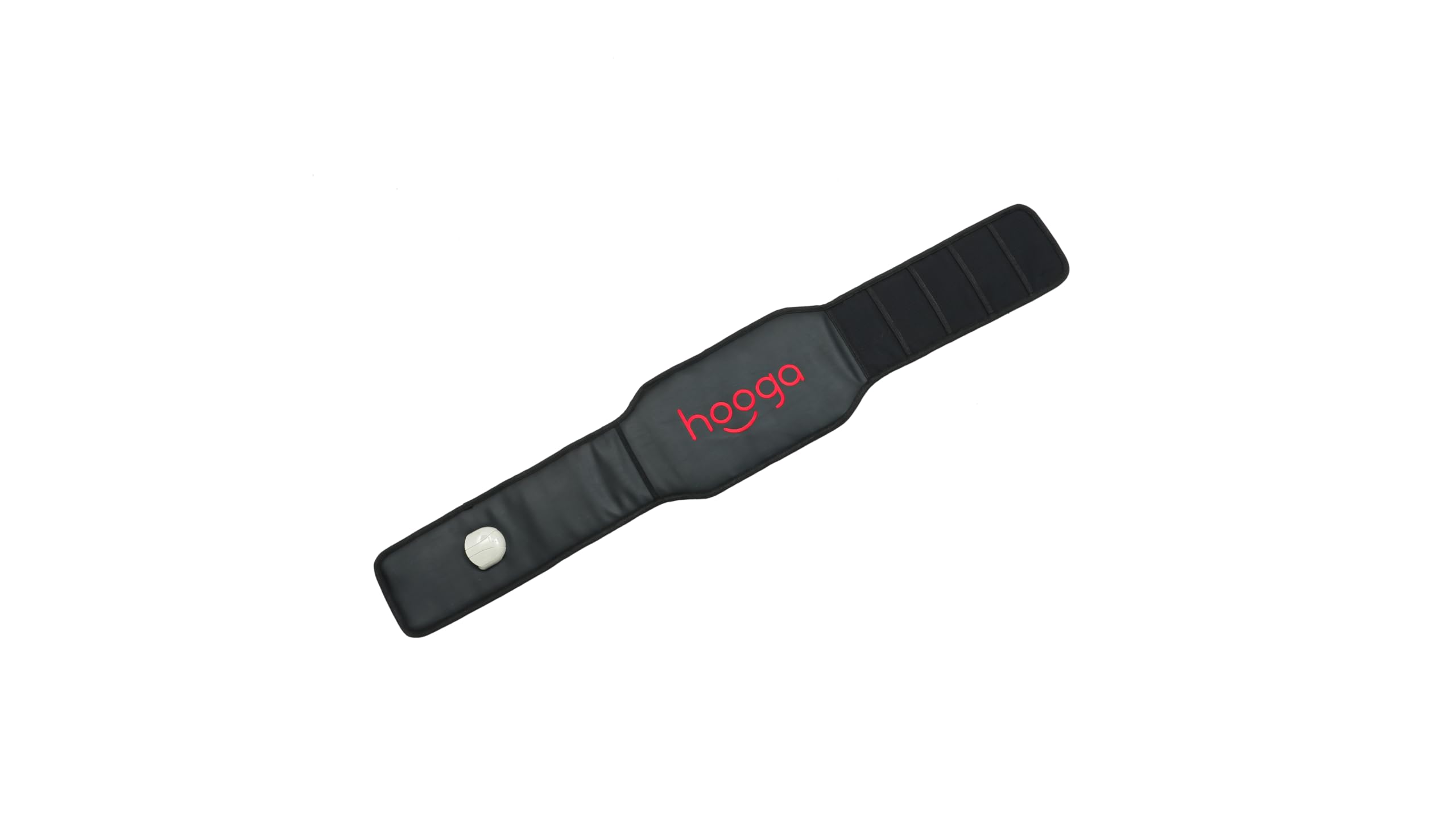
Hooga Red Light Therapy Belt
Battery + pulse mode · the value benchmark
Why it ranks here
The Hooga belt delivers battery power, a pulse mode, and a 3-year warranty at a price most premium belts beat by hundreds. 405 triple-chip diodes (1,215 LEDs) in a 1:2 red-to-NIR ratio wrap the lower back or waist, and the 15,000mAh battery runs around 150 minutes per charge. It’s the value benchmark every other belt is measured against.
- Battery + pulse mode at a low price
- High LED count, even coverage
- 3-year warranty, 60-day trial, HSA/FSA
- Build is sturdy but less premium-feeling
- Results may come slower at this irradiance
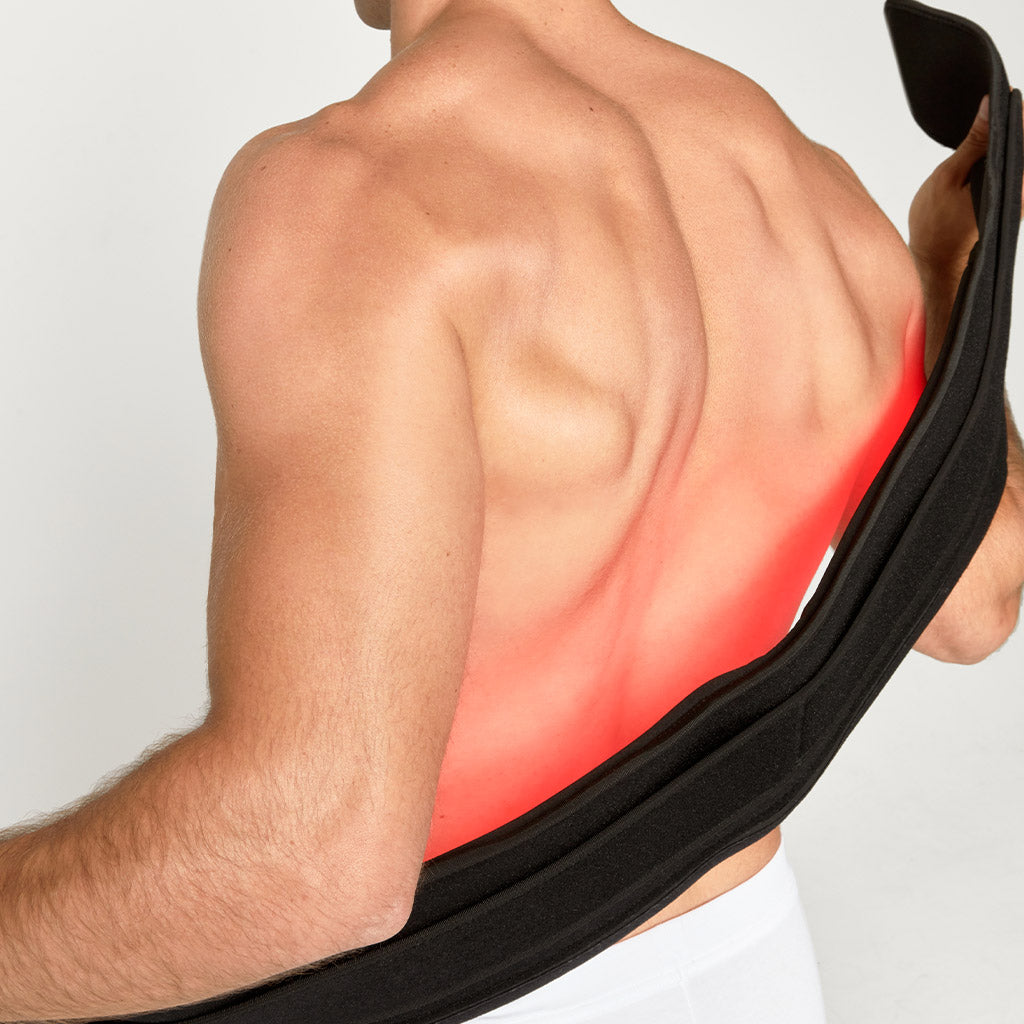
Nushape Light Therapy Belt
Slim flexible wrap · molds to the lower back
Why it ranks here
A thin, flexible wrap that contours to the lower back so the LEDs sit flush against the skin — the direct-contact design maximizes the dose actually delivered, even at lower absolute irradiance than a rigid panel. It repositions to the upper back, hips, and other areas, and Nushape publishes product certifications for the belt.
- Molds tightly for strong skin contact
- Slim, discreet, easy to wear
- Repositions to back, hips, and more
- Lower absolute output than rigid belts
- Published power specs are limited
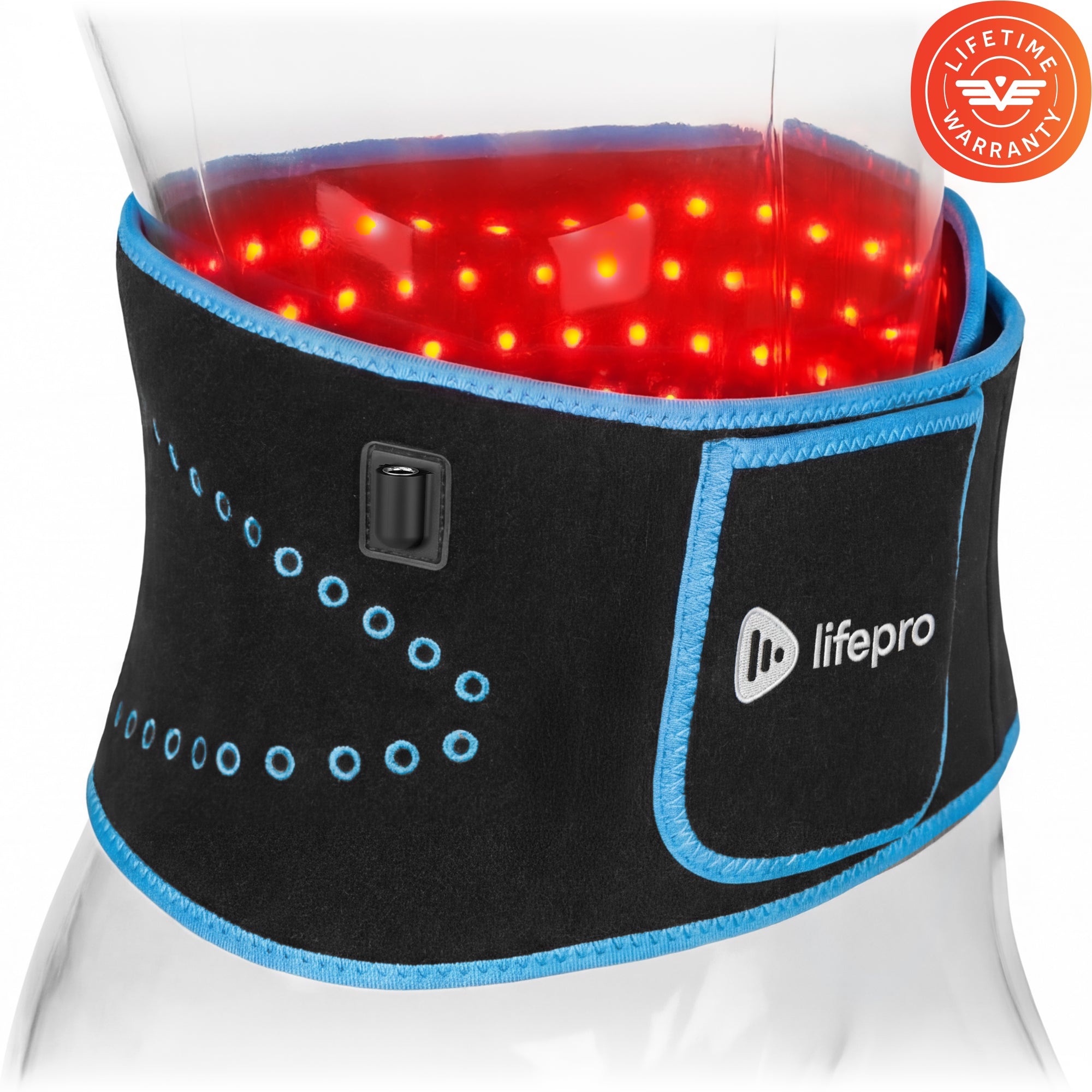
Lifepro Red Light Therapy Belt
Budget price · vibration, pulse & multiple modes
Why it ranks here
The most affordable belt here, and the most feature-loaded for the money: 105 triple-chip LEDs plus selectable Red, NIR, Combined, Pulsed, and Vibration modes with intensity control and a 1–30 minute auto-off timer. A velcro extender fits it around the back, arms, legs, or belly. You trade peak light output for comfort features and price.
- Lowest price of the five
- Vibration + multiple light modes
- Wireless, with velcro extender for fit
- Fewest LEDs, lower total output
- Comfort features over maximum dose
How to Choose a Belt
Five questions that point you to the right belt for your body and your pain.
1 Where does it hurt?
Lower back and waist are the belt’s home turf. If you also want to treat knees, shoulders, or the belly, look for a longer belt or one with a velcro extender that repositions easily.
2 Corded or battery?
If you want to move around mid-session, a rechargeable belt (like Hooga) is essential. If you’ll sit still, a corded belt gives steady output with no runtime cap.
3 How much power?
Belts sit against the skin, so even ~70 mW/cm² delivers a strong dose. Higher density and irradiance mean shorter sessions — but verified specs matter more than raw LED counts.
4 Extra modes worth it?
Pulse mode and vibration add comfort and may aid relaxation, but they’re not substitutes for solid light output. Treat them as nice-to-haves, not deciding factors.
5 Trial and warranty?
Light therapy takes weeks to judge. A 60-day trial and multi-year warranty let you test consistently and protect the spend. Favor brands that publish their specs.
6 What’s your budget?
Capable belts start near $300; premium multi-wavelength models cost more. Match the spend to how much coverage and output your pain actually needs.
Red Light Belts, Answered
Are red light therapy belts good for lower back pain?
What wavelengths should a belt have?
How long should I wear a red light belt?
Do more LEDs mean a better belt?
Are these belts safe to use?
Can I use a belt with HSA/FSA funds?
Medical disclaimer: This content is for informational purposes only and is not medical advice. Red light therapy is not a substitute for professional diagnosis or treatment. Consult a qualified healthcare provider before starting any new therapy. Individual results vary, and claims about specific outcomes are not guaranteed.
Not Sure Which Belt?
For the best all-round belt, the MitoQUAD’s four wavelengths lead the pack. For the best value, the Hooga belt gives you battery and pulse mode without overspending. For a budget pick with extra comfort modes, the Lifepro belt covers it. Match the belt to your back, and you can’t go far wrong.
Back to the Top 5 →